 Anton Sivatski


 PORTFOLIO26
Portfolio presents selected works, including projects that are approved for public presentation. The selection was curated to demonstrate versatility, multitasking capabilities, and a range of creative and technical approaches to design. I hope you find this selection engaging. Thank you for your time. Jump to:
 VISUAL
IDENTITY✦
Visual identity is a complex story that includes all kinds of graphic design elements.
For me, the sphere of visual identity has opened up new ways of communication with the viewer. I believe it’s a second-level language above graphic elements and text-based content. What I love about great brands is that they create long-lasting bonds with products but also visual encoding; going beyond tangible, to entire experience of the customer. This multifaceted approach changed my thinking strategies regarding conceptual phase of the design process.
In the process of learning visual identity and developing projects below, I’ve learned to recognise the key features of client’s business, how to apply simplicity in visual language that helps customer to get the message in a split second and a technical approach in the creation of systems for promotional materials and various templates.
Brand identity Brandbook Storytelling Logotypes Posters Wayfinding UI Web design Infographics Type design Research and strategy Map design Typesetting Animation Pre-press preparation
⇠ Scroll to see more ⇢
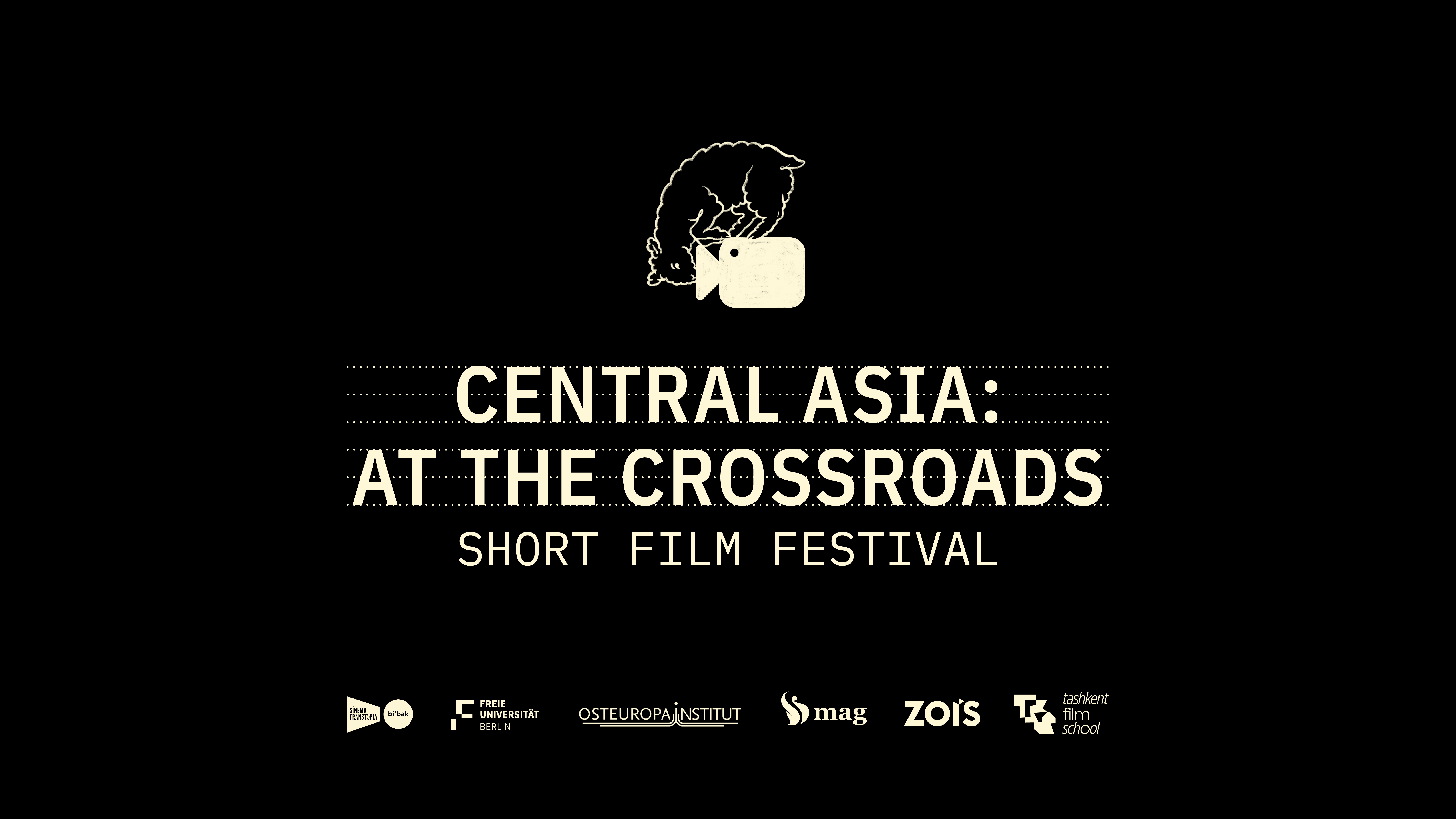
CENTRAL ASIA: AT THE CROSSROADS – FULL DESIGN SUPPORT PROJECT
“Central Asia: At the Crossroads – Short Film Festival”. An independent research-driven cultural project exploring the cinematic and social landscape of Central Asia.
CITY MAP OF SOKOLOWSKO
Development of a comprehensive map of the city of Sokołowsko, Poland. Working with archives, developing wayfinding systems, icons, pre-press preparation, editorial design, and more.
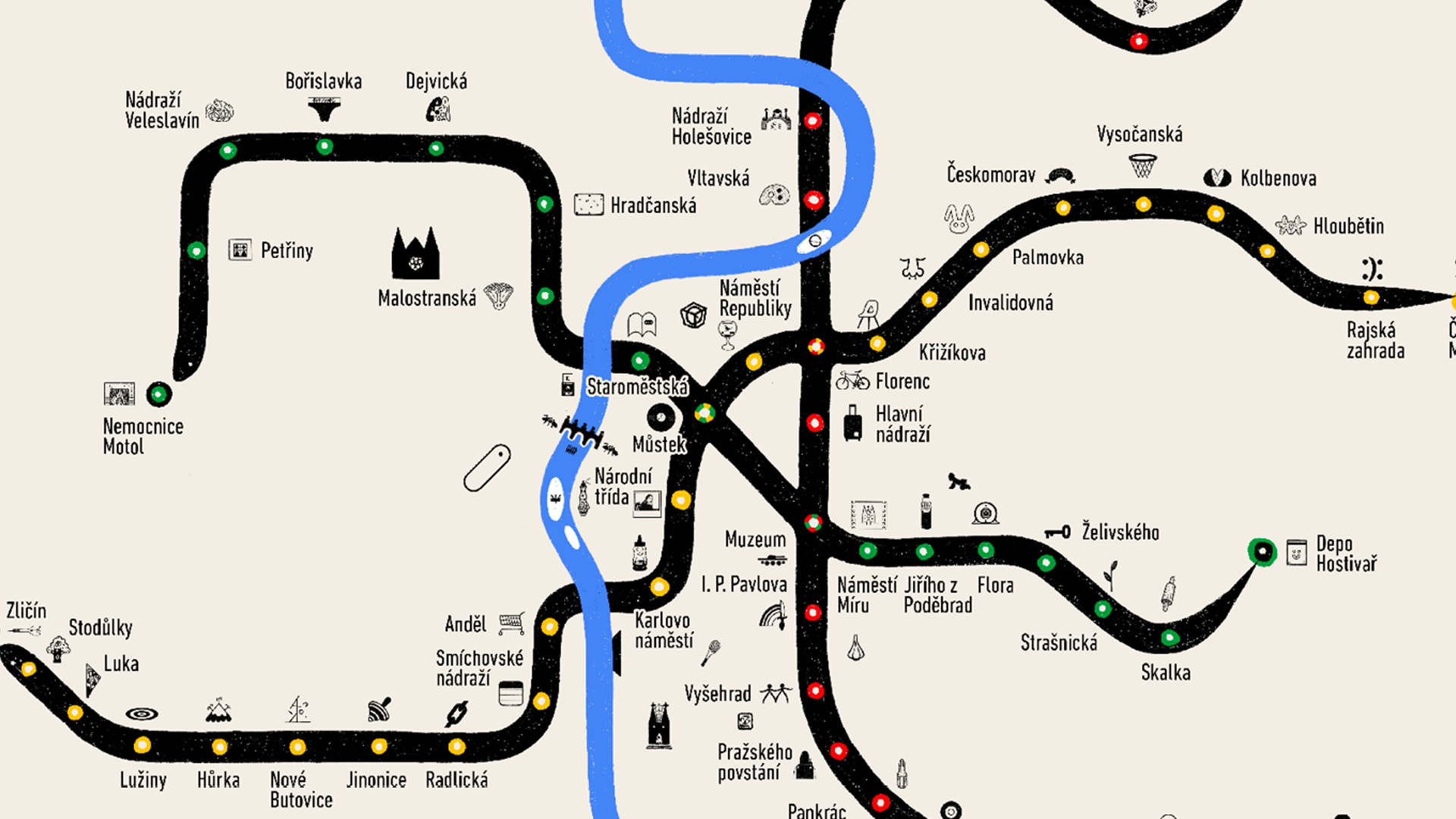
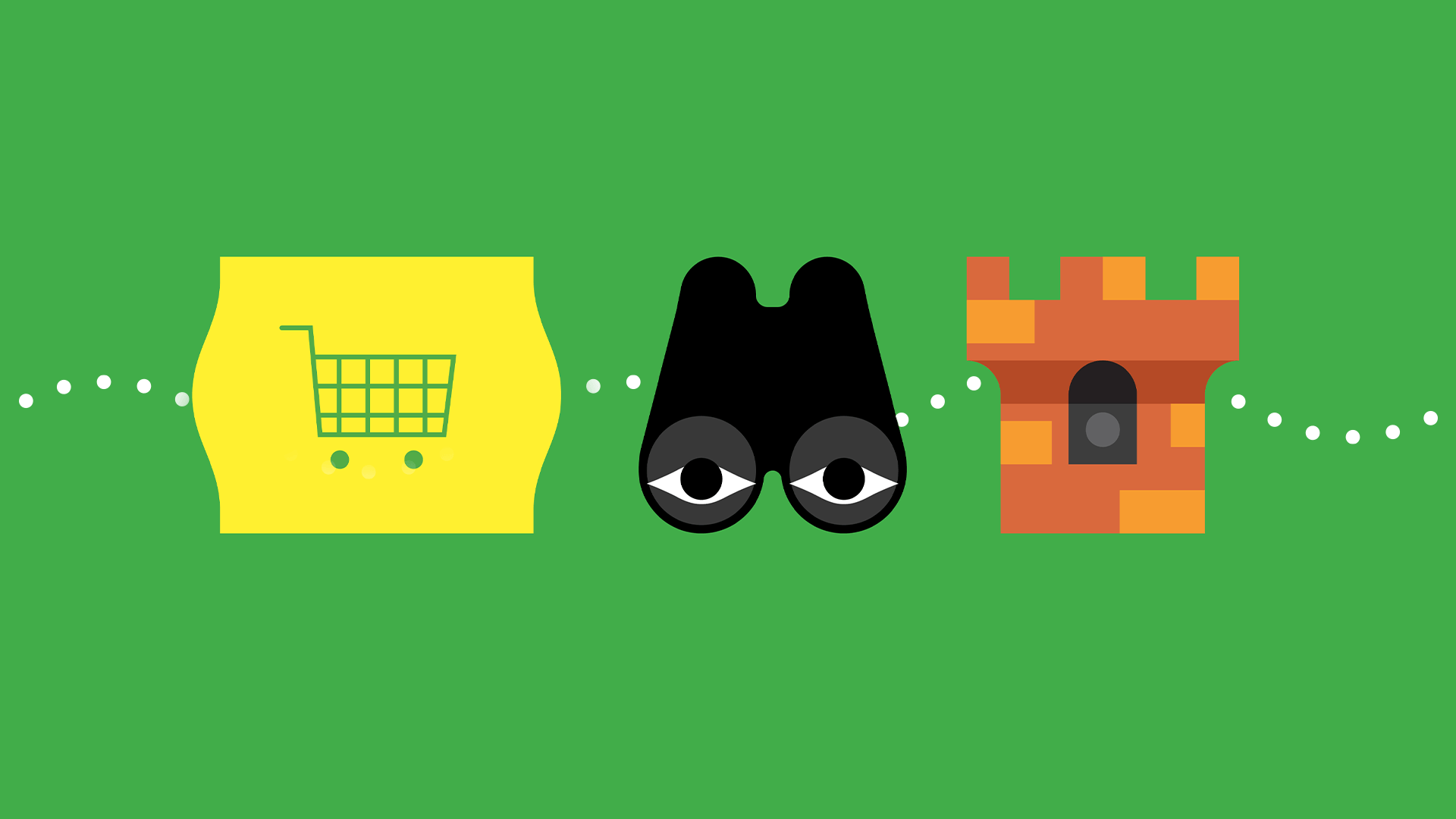
NEW IDENTITY FOR PRAGUE UNDERGROUND
Self-initiated student project based on the illustration and design code of the stations’ pictograms. Each station has its own symbol and characteristic communication design elements, so that the huge number of tourists can better navigate without language. Student project.
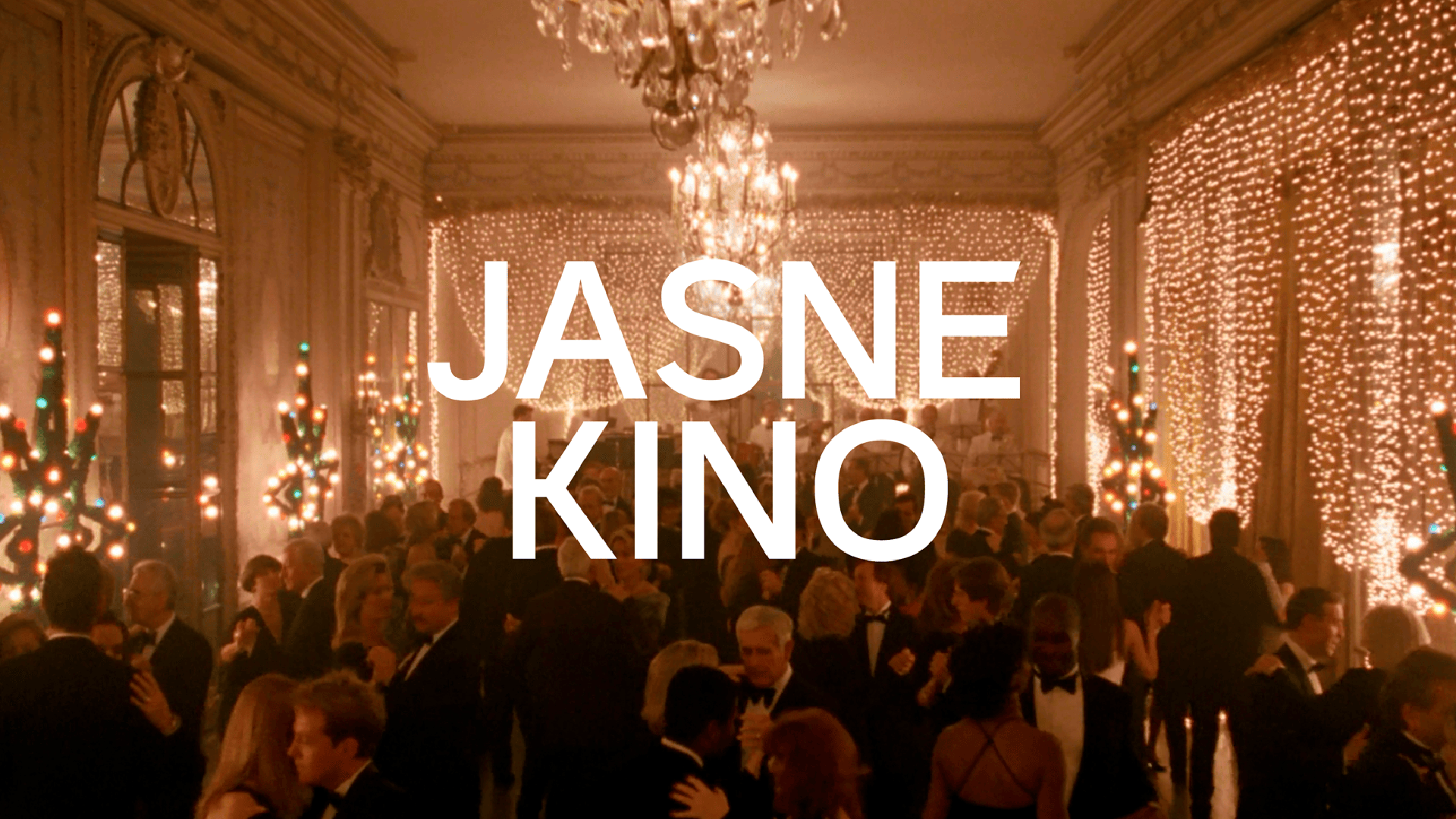
JASNE KINO CINEMA – VISUAL IDENTITY
This flexible visual identity is based on 12 different variants of Jasne Kino Cinema. Each of them consists of the name and cinematic background – always enclosed in 16:9 format. In the promotional materials, logo works as key visual – its top placement reminiscents a video service or cinema hall. Students Project.
MORE SOON...
 WEB
WEB
DESIGN
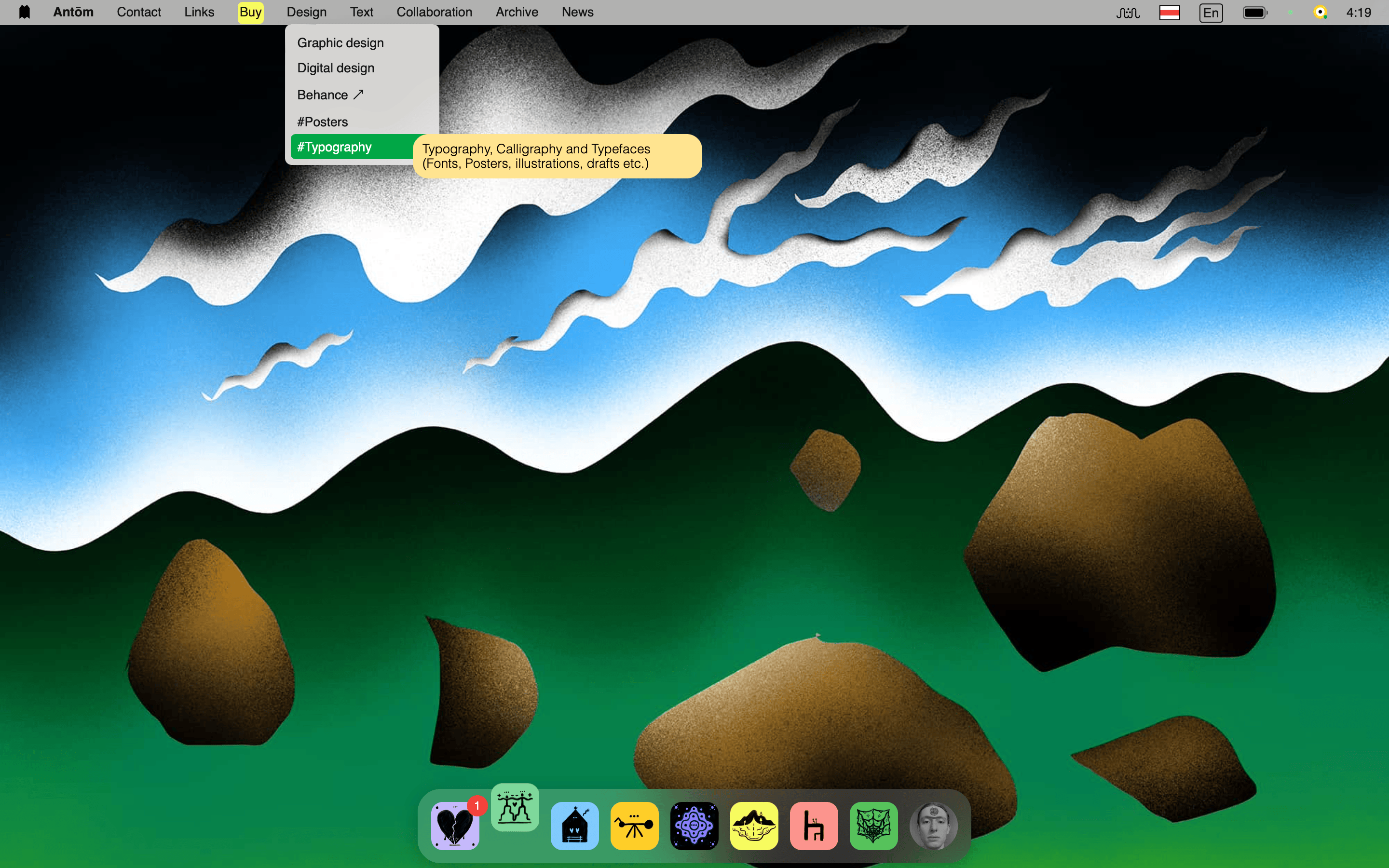
Web design is my passion.
Web design is not my main field, yet it has been part of my practice for a long time. I see websites as either an extension of visual identity or as independent projects with their own strength and logic, depending on the task. A website can function as a portfolio, a platform, an archive, a social space or an application, but what interests me most is its ability to present an idea as a complete interactive structure. Because of my strong attachment to grids, order and visual systems, web design feels like a natural environment for developing complex projects.
In my approach, web design combines identity thinking, structure and user interaction. I focus on design, prototyping and front-end implementation, using AI tools to support parts of the JavaScript process while building interfaces and responsive layouts. I am still developing my knowledge. I understand the principles and can adapt JS when a project requires it. What matters most to me is creating clear, engaging and flexible systems that translate visual concepts into usable digital experiences.
Web design HTML CSS Cursor ~SEO ~JavaScript Dreamweaver Webflow Vibe coding Structured data markup Responsive design Interface structure Landing page Prototyping ~UI
⇠ Scroll to see more ⇢
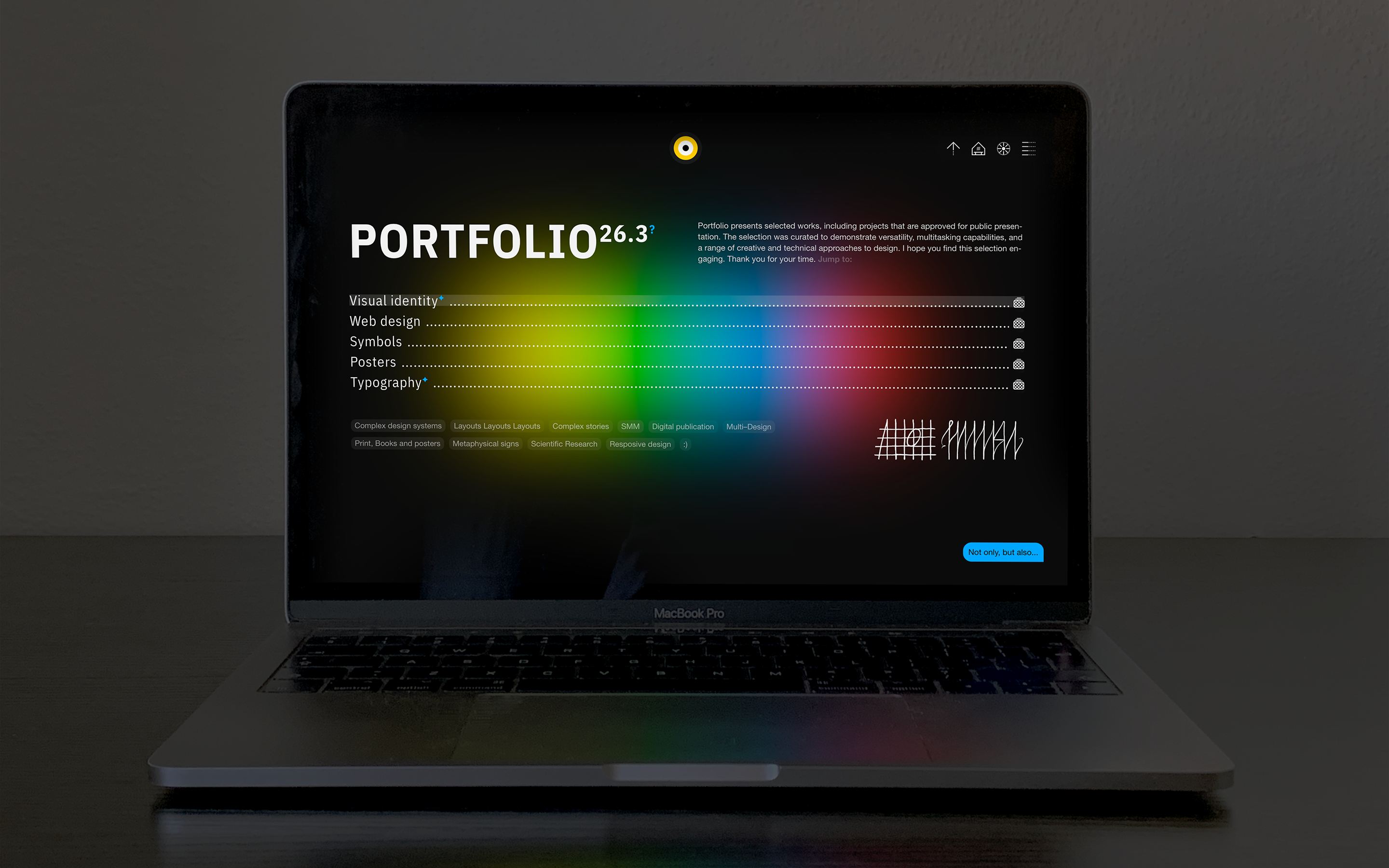
MY DESIGN PORTFOLIO PAGE
This is my design portfolio. This page was designed by me manually, with some help from AI.
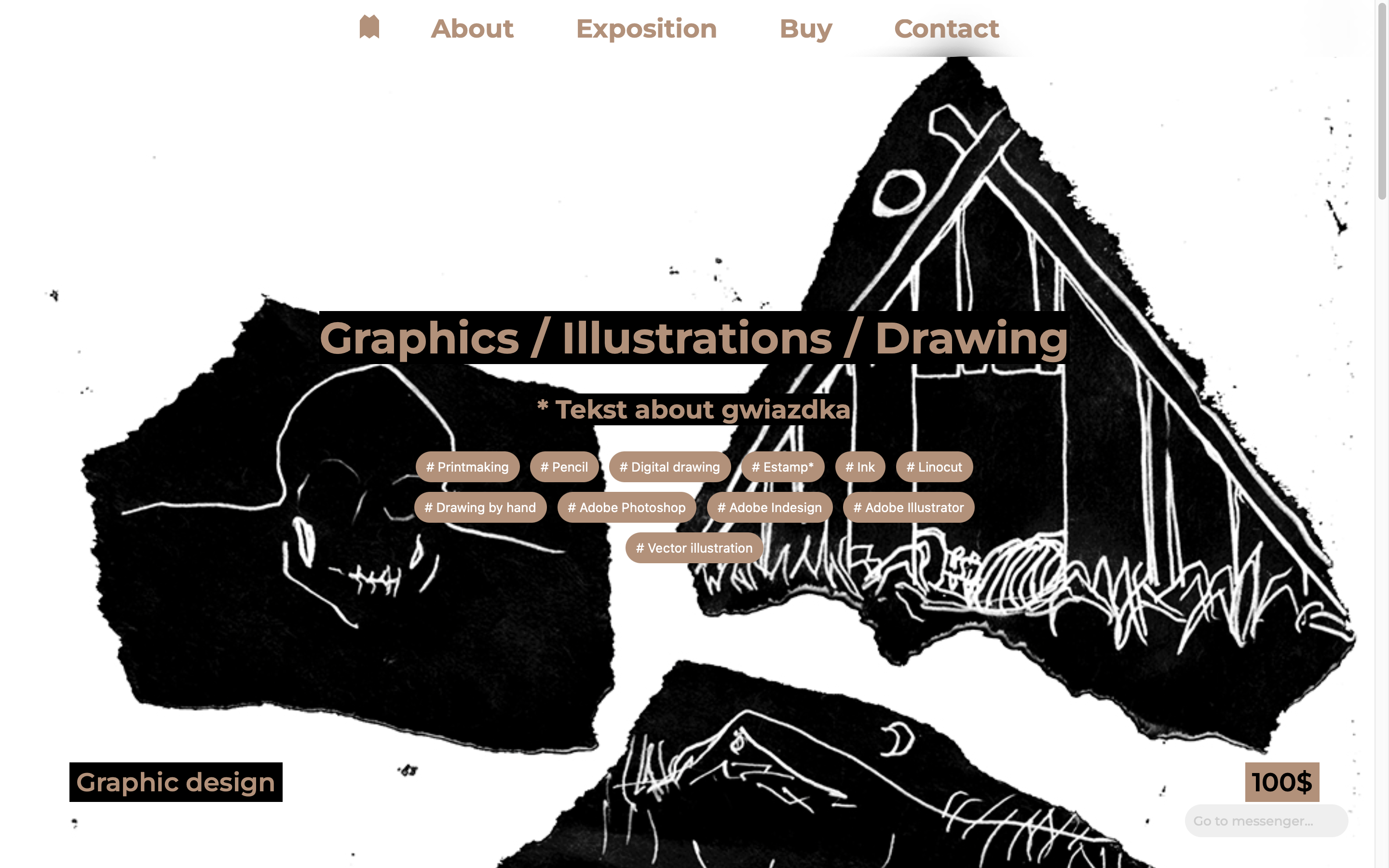
ILLUSTRATOR-DESIGNER PORTFOLIO PAGE
A complex webpage project for an illustrator and designer.
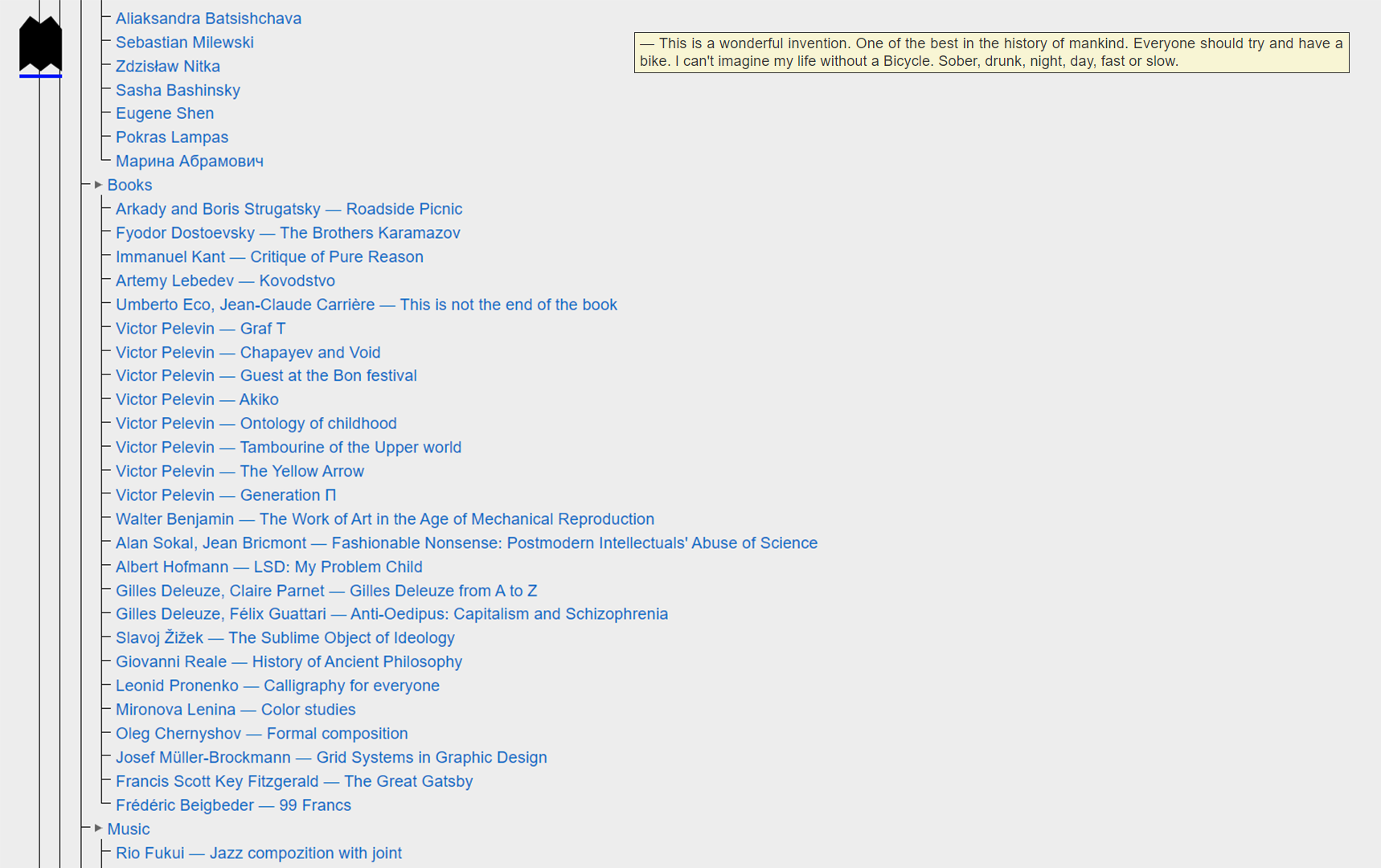
LINKS (REFERENCES)
A complex interactive HTML-based project that visualizes a database for an art project and exhibition.
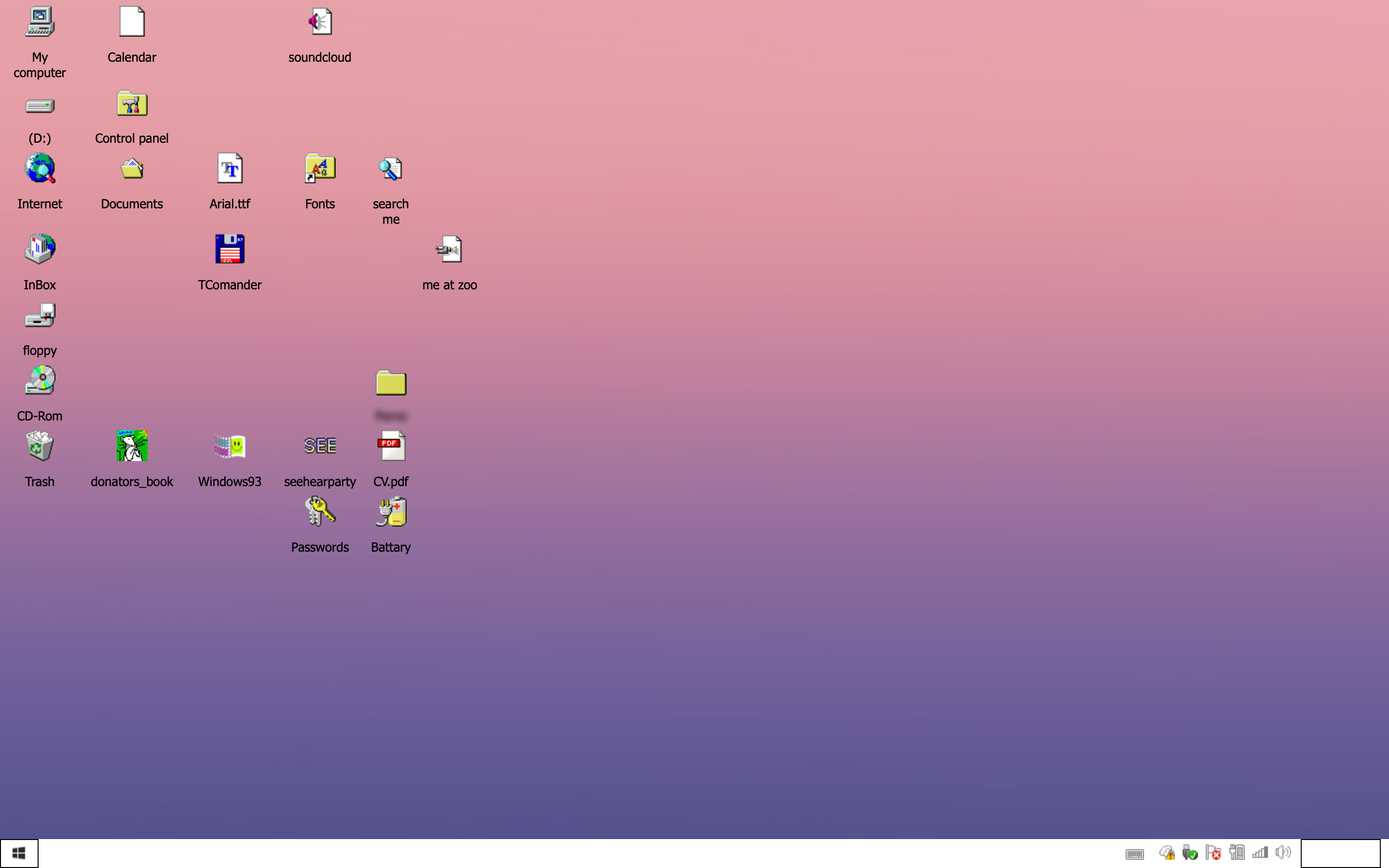
REPLICA OF WINDOWS™ 93
In this project, I tried to combine my love for UI and web design. I created a website that functions exactly like Windows™. The content of the website is an archive of various materials.
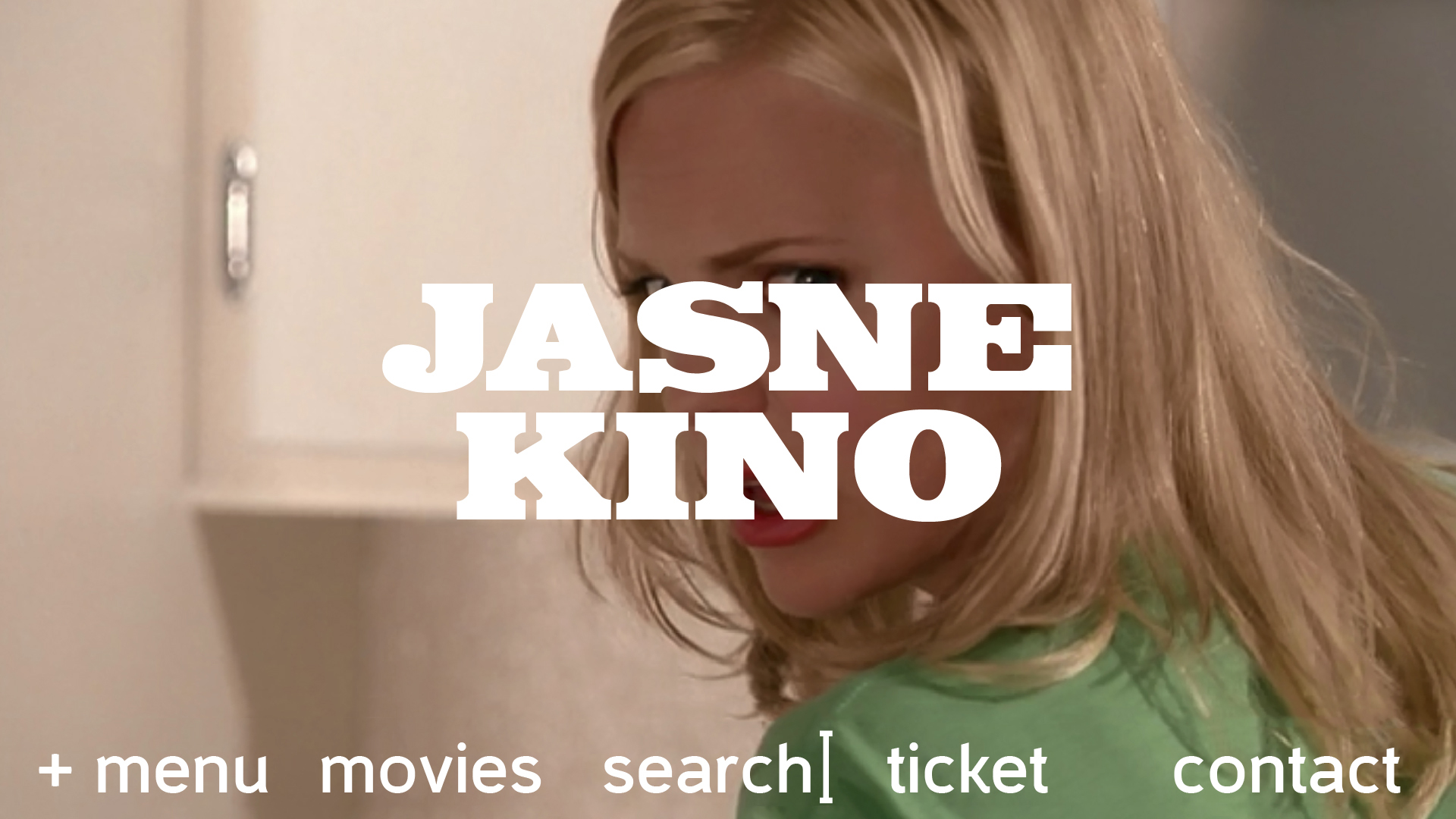
JASNE KINO CINEMA PAGE
Prototype page for the Jasne Kino cinema. Nothing special, just a prototype. View on Behance ⌝
 SYMBOLS
Signs, symbols, logos, logotypes etc.
One sign can say more than a long text. I believe that signs are one of the strongest and important languages of visual communication for human perception. Different projects require different approaches, I experiment a lot with icons, pictograms, signs and symbols – from logotypes, through avatars to icons used in user interfaces. Most signs displayed below are not entities in their own but part of bigger projects. The quality of the sign and how “beautiful” it is determines whether or not the viewer wants to interact with it, which emotions they feel. That is why I believe it is so important to pay so much attention to this language and its form.
Every project starts with intellectual work, which activates creativity. I try to create signs so that they are universally understood. I approach each new sign as a picture, that, with a minimum of detail, should be a complete image of what should be conveyed with it. I gather the most important features together, using metaphors to tell a story through the sign and thereby make it more interesting and closer to humans. In addition to the traditional 2D solutions, I constantly look for new techniques for representing the sign, with 3D, light, sculpture, etc. This allows the interaction with the sign in new ways.
Vector design Wayfinding Drawing Animation Raster graphics Cognitive metaphors
⇠ Scroll to see more ⇢
CENTRAL ASIA: AT THE CROSSROADS LOGO
Logo for "Central Asia: At the Crossroads" – Short Film Festival in berlin. The logo for the festival is part of a comprehensive, full-support design and con- sulting project for a short film festival from and about Central Asia in Berlin 2025.
Project's Instagram ⌝
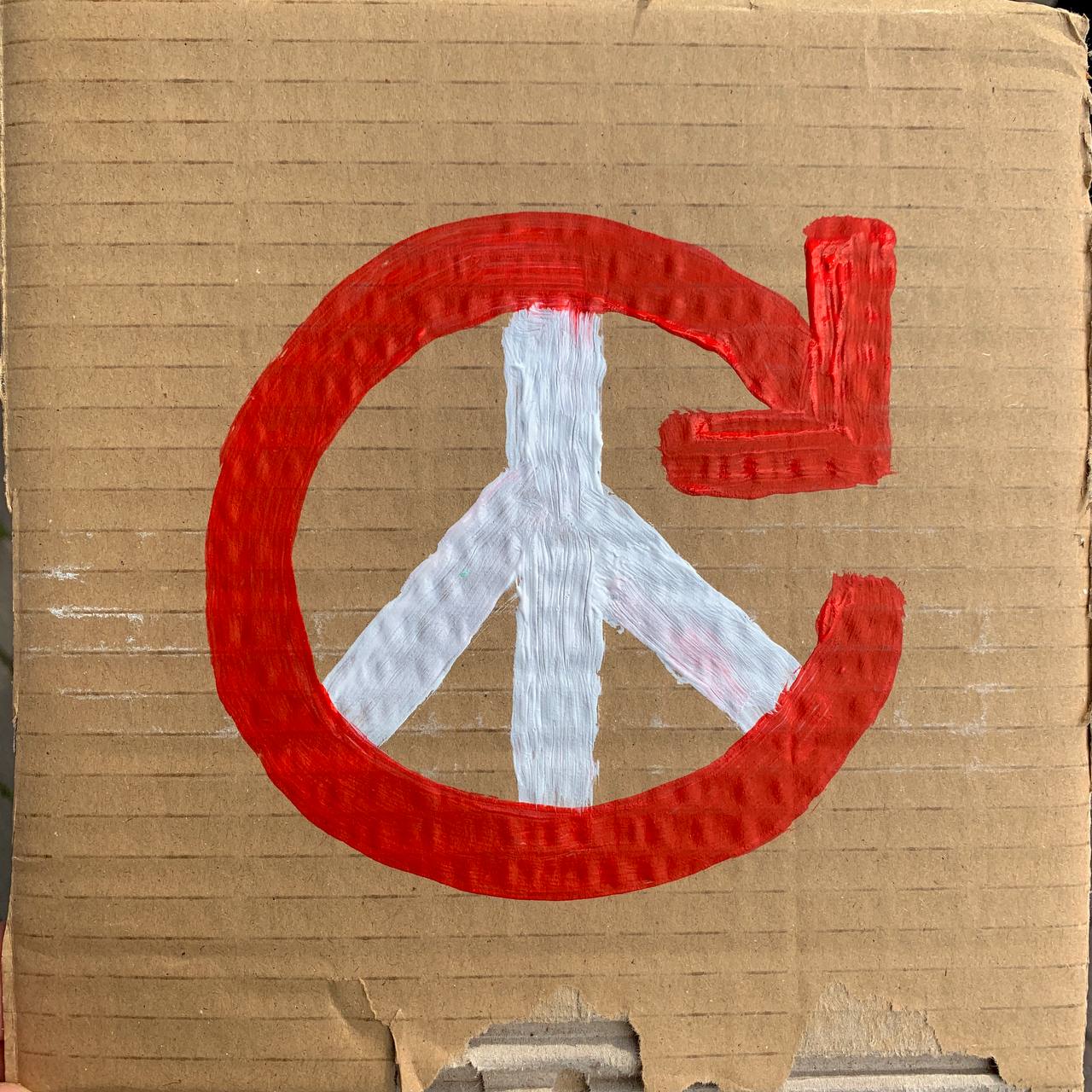
RETURN THE PEACE
This symbol appeared in a joint work with Nefeli Tsakopoulou on the day of peaceful protests against Russia’s war in Ukraine.
"We want this sign to become a symbol for all peaceful protests and actions around the world. We stand up for human rights. Against discrimination and war. Against the division and oppression of people. We are people of peace and love."
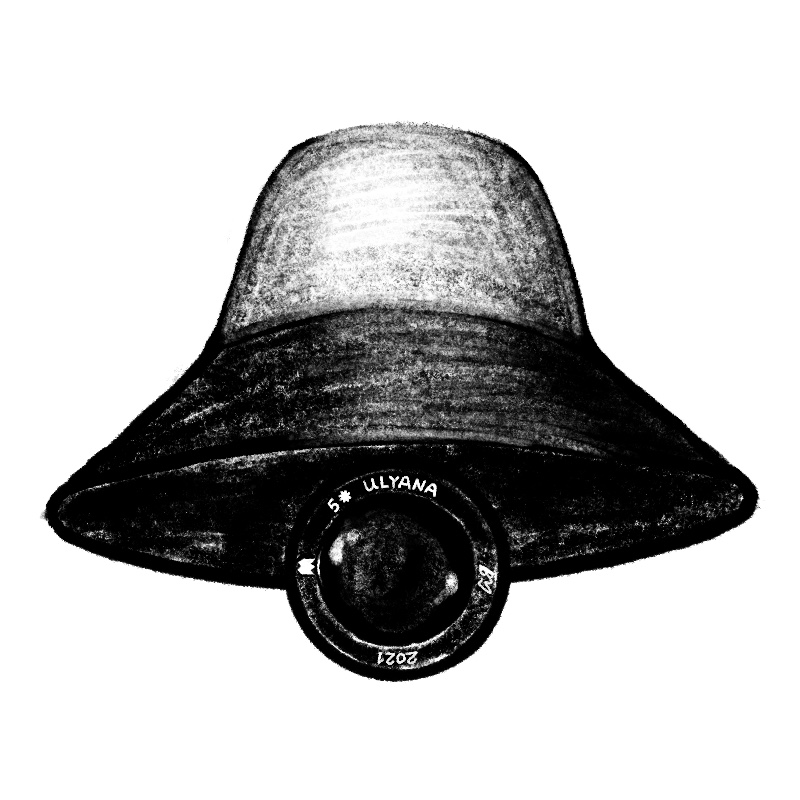
PHOTOGRAPHER PAGE
This artwork is a personalized sign for the photographer, it reflects the artist’s personality and emphasizes character, style and the two most identifying features. This sign plays the role of the photographer’s logo and profile picture on social media.
THE OLGA TOKARCZUK FOUNDATION
This illustration was the starting point in the development process of the logotype for the competition for the Olga Tokarczuk foundation. Inspired by symbolism of the dove, as a symbol of peace, and inseparable from literature by the power of letters. Additionally, I came up with a slogan to accompany the logo – Invest in Peace.
JASNE KINO CINEMA'S LOGO
This logo is a part of identity design for JASNE KINO cinema.

REDESIGN OF THE LOGO OF THE ACADEMY OF ARTS IN WROCLAW
This logo is a self-initiated project. The main idea of the logo is that it repeats the shape of the Academy building from above. Thus, on all maps, the building looks like a logo applied to the urban environment. The level of abstraction of the project is due to the research of many logos of other European institutions.
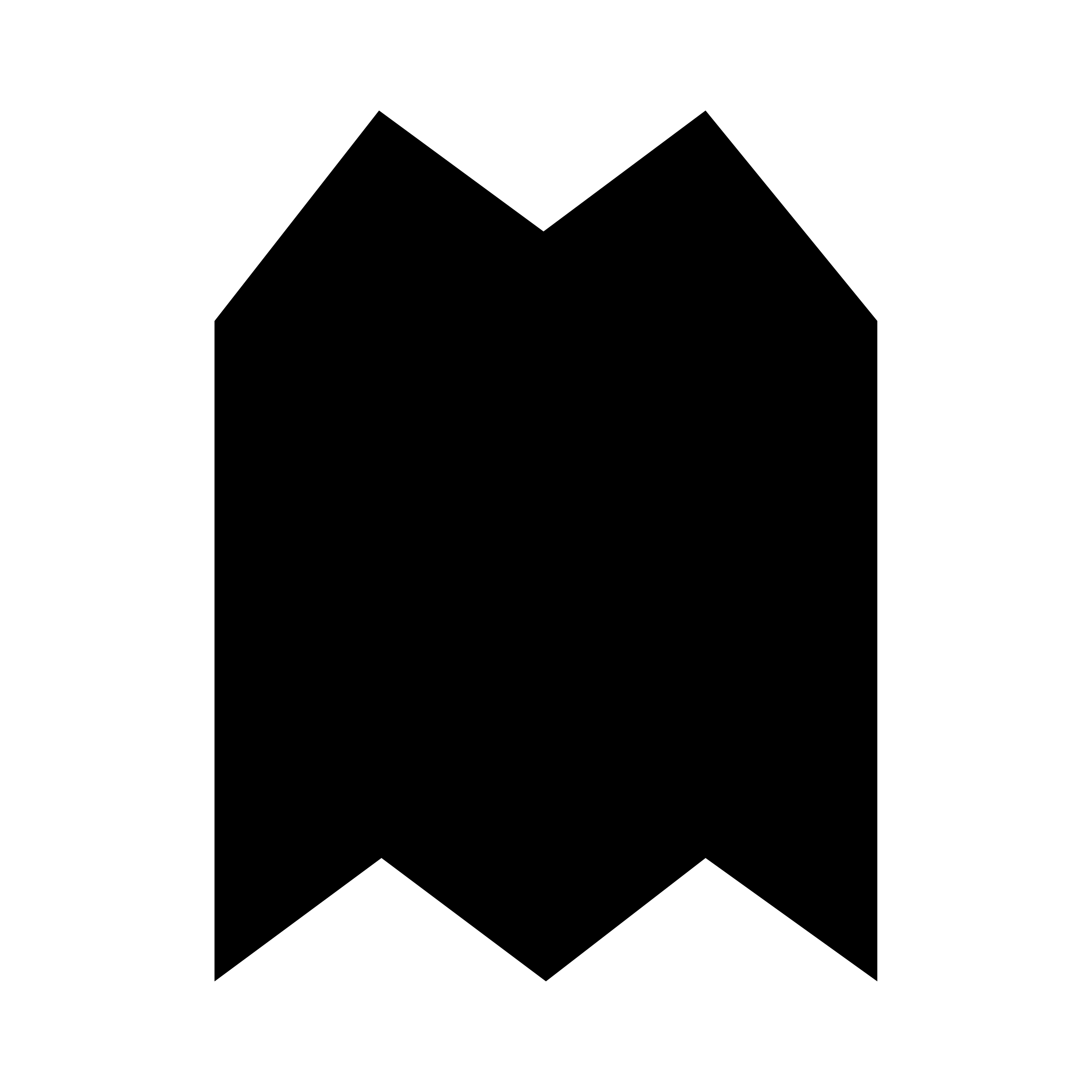
SIVAAGRESSIVA LOGO
Previous personal logo. Presented in the form of solid graphic sign.
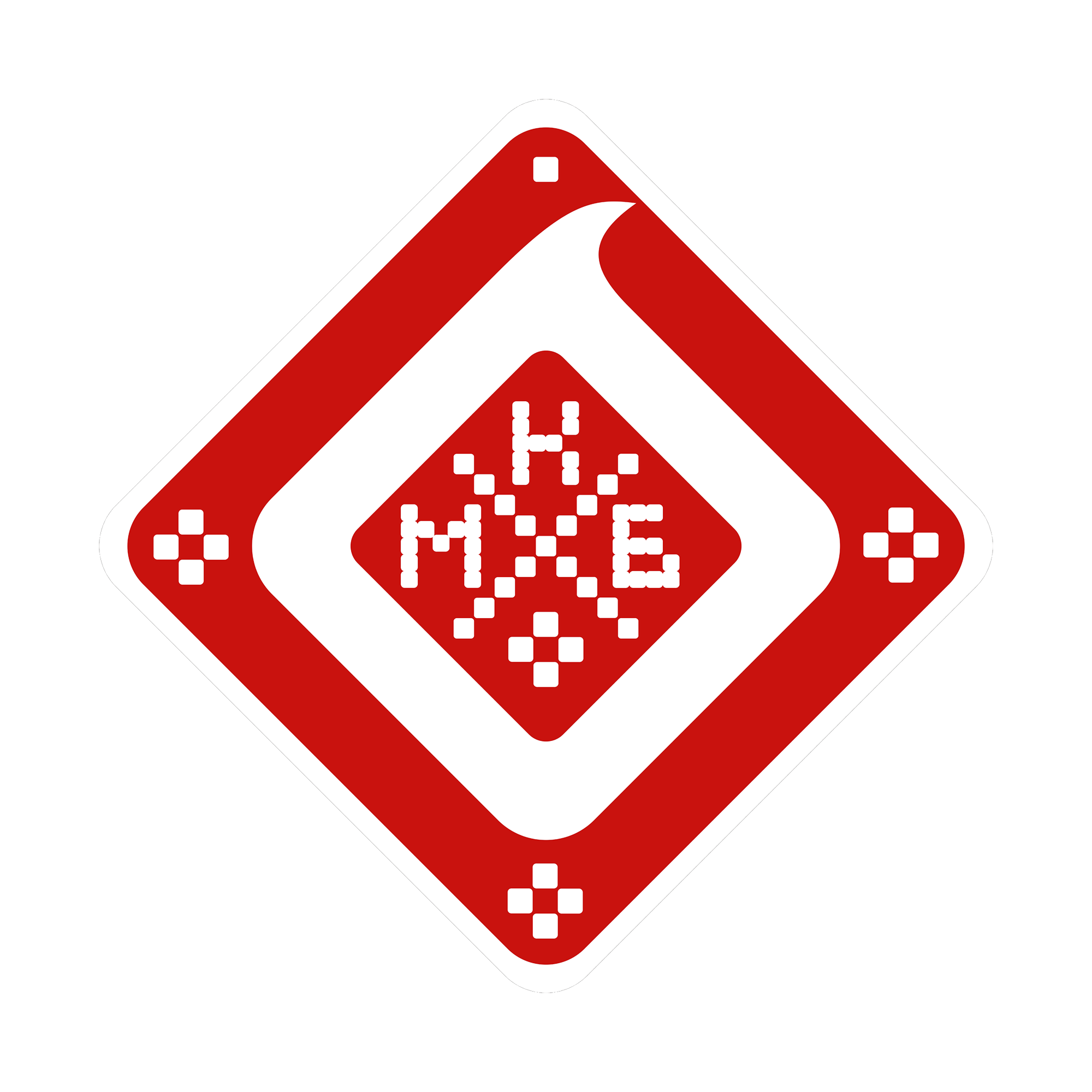
MAJA KRAINA BELARUS
Logotype for “Maja Kraina Belarus”, one of the largest independent media outlets in Belarus, which shows truthful news, exposing and ridiculing the regime's propaganda. The logo has been in use for more than 10 years, which has a positive effect on their recognition and image.
Project's Instagram ⌝
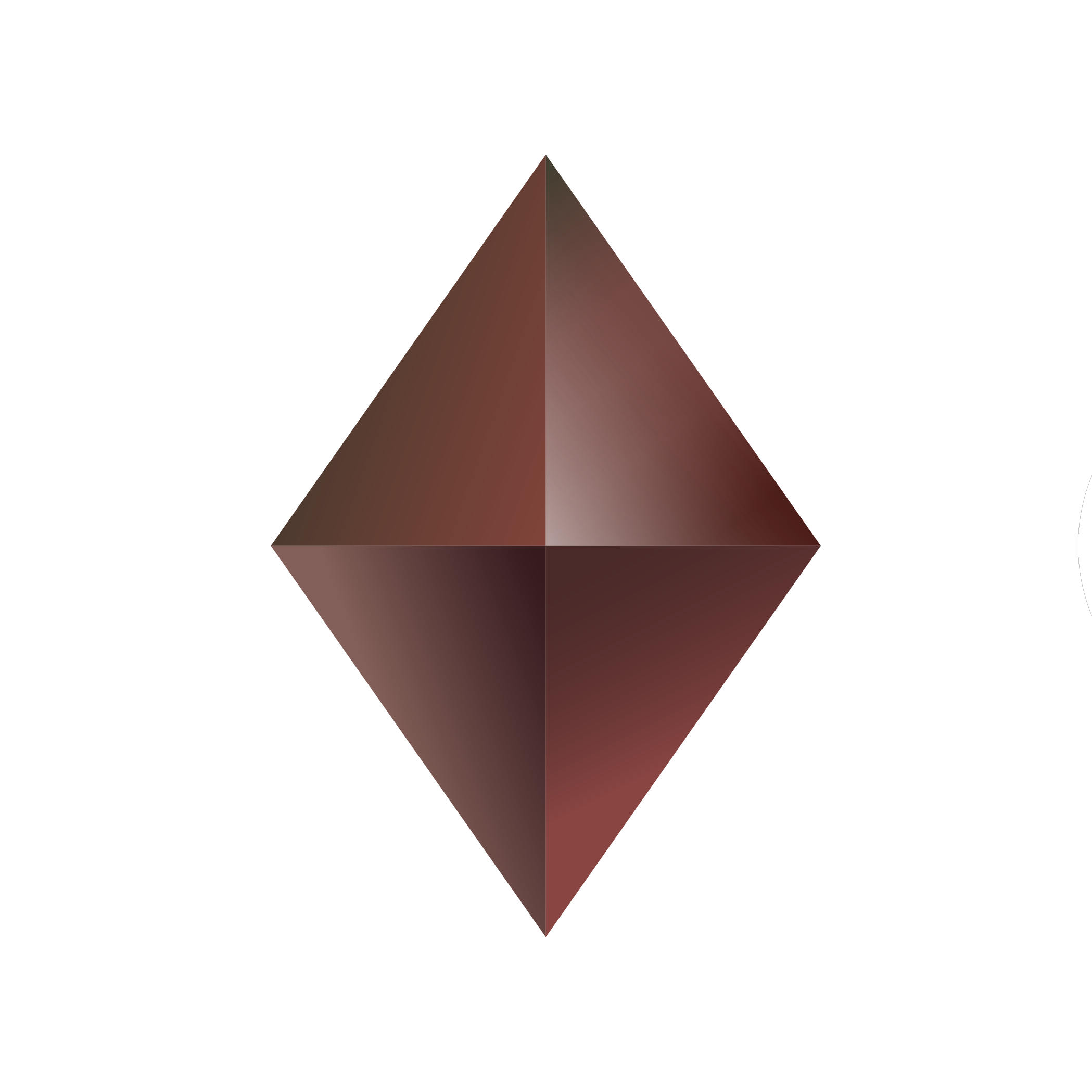
CHOCO PLACE
Choco place is a privately owned brand that produces sweets. Chocolate and pastries, cookies and cakes are distributed to small cafés in Poland. The brand has their own promotional materials, such as a culinary blog, advertising etc., for which a logo and packaging have been designed.

THE CLOUD. ARTIFICIAL INTELLIGENCE MUSIC BAND
Logo designed as part of the identity project for the AI band. I used the cloud as a symbol of artificial “mind” on the Internet or servers. The logo visualizes the form which we cannot see, as it is only hardware and software. It presents a “mind” or “being” that looks like a phys- ical cloud or brain.

PLASTIC WORLD
This illustration-sign was created for a series of eco-workshops aimed at eliminating illiteracy among children. I communicated information to children using simple illustrations.
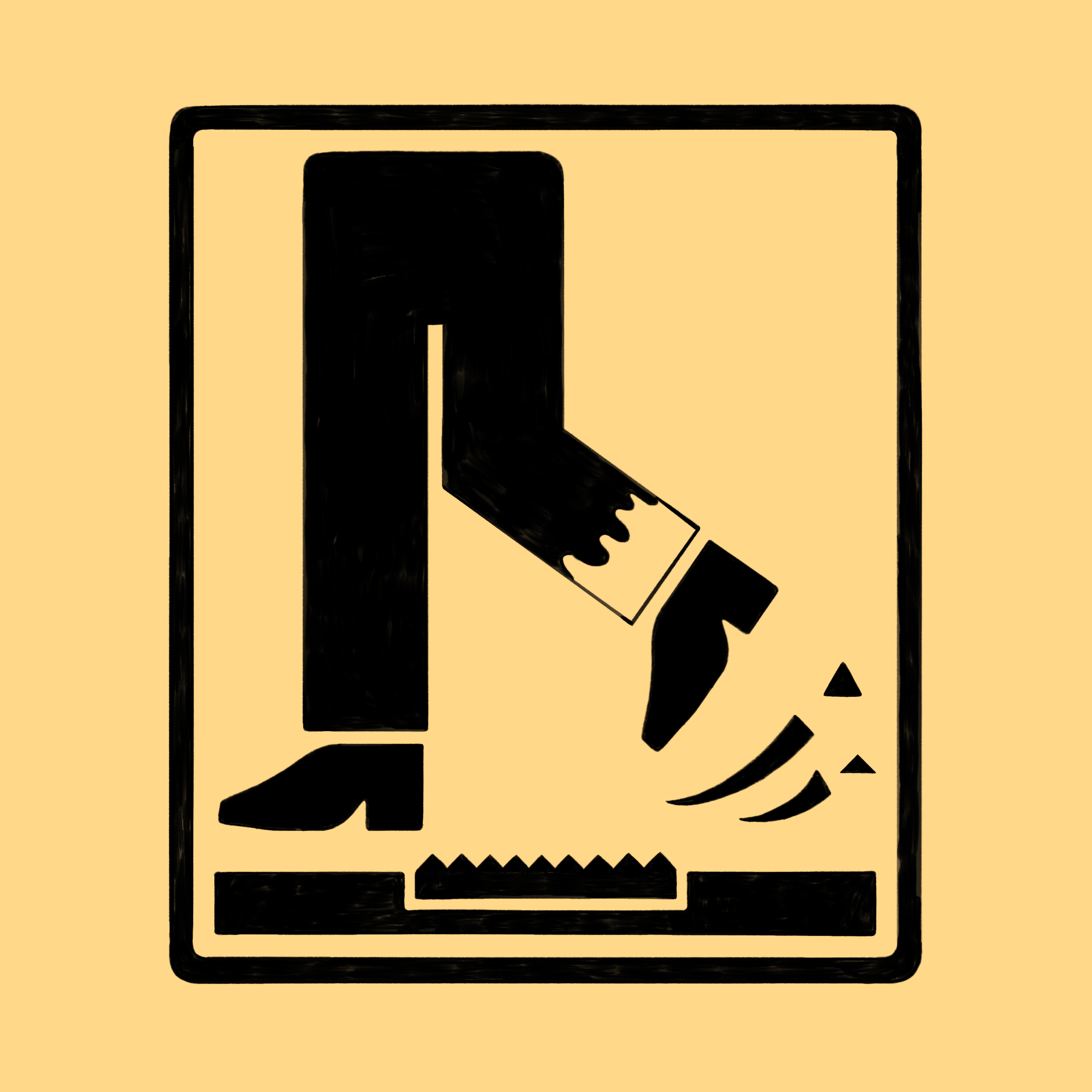
WIPE YOUR FEET
Door sign "Wipe your feet" for decentralized housing and public spaces.

PSKNKPJPJO
"Podyplomowe Studia Nauczania Kultury i Języka Polskiego jako Obcego" – Logo for the University of Silesia in Katowice, Poland.
BELARUSIANS IN NUERNBERG
Logo for public page in Telegram - Belarusians in Nuernberg.
THIS IS MINSK, BABY!
Logotype for "This is Minsk, Baby!". An orange map pin with a little home inside, representing Minsk. A familiar symbol marking the city's stories, adding character to the project's identity.
Project's Instagram ⌝

MAGNOLIA FUNERAL HOME
Logotype project for Magnolia Funeral Home in Poland. Designed in the style of tombstones made of black marble with gold lettering, popular on graves in Eastern Europe, the logo inherits this aesthetic, for recognizability and made in order to not be out of the tradition.

CAFE 26
Logo for Coffeeshop 26 in Minsk
MORE SOON...
 POSTERS
Programms, infographics, posters, illustrations, billboards, typography etc.
Posters and illustrations are the most popular forms in graphic design. These formats cannot be faceless, sometimes they must shout, but at the same time give information. Often the poster has illustrative properties and allows for more experimentation than other media as it doesn’t have this many technical limitations. It speaks for itself.
During my studies, I deliberately chose a studio where I researched the “Polish Poster School”, which gave me new ideas regarding formal compositions. I like to operate with powerful areas of color or signs, if allowed, filling the illustration with multiple meanings. I like creating pictures that someone might want to study and spend more time with. Learning illustration and poster design opened new ways of thinking for me, helping me discover their storytelling possibilities and its usage in branding.
Polish Poster School Large format printing Experimental printmaking Video productio Illustration Mockup design SMM
⇠ Scroll to see more ⇢
OPTIMA FONT
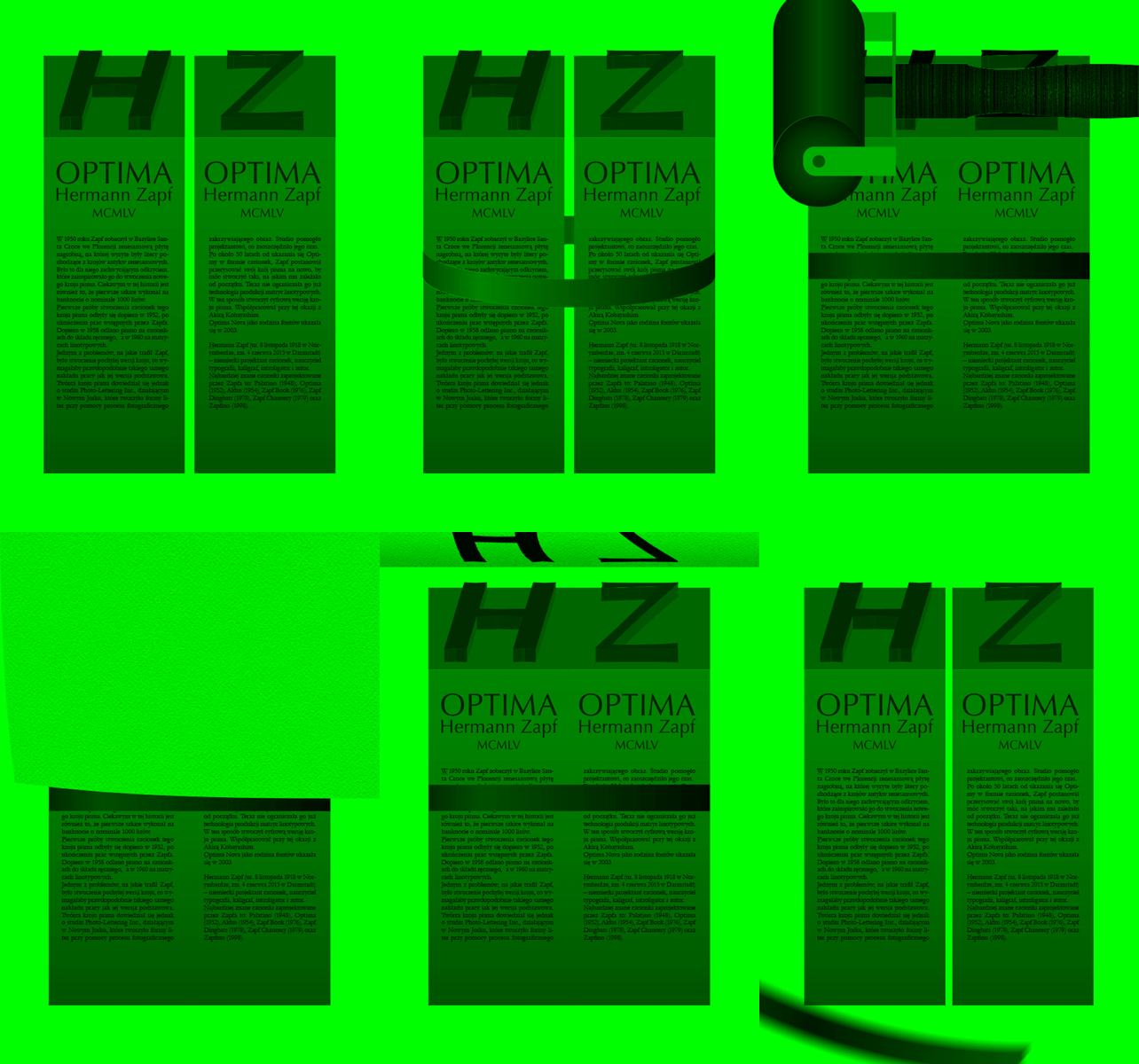
The poster presentation of the Optima typeface is an experimental student project. In the creation process, I acquired knowledge of new printing techniques related to spot colors and printing materials and extended the project with a dark and animated version.
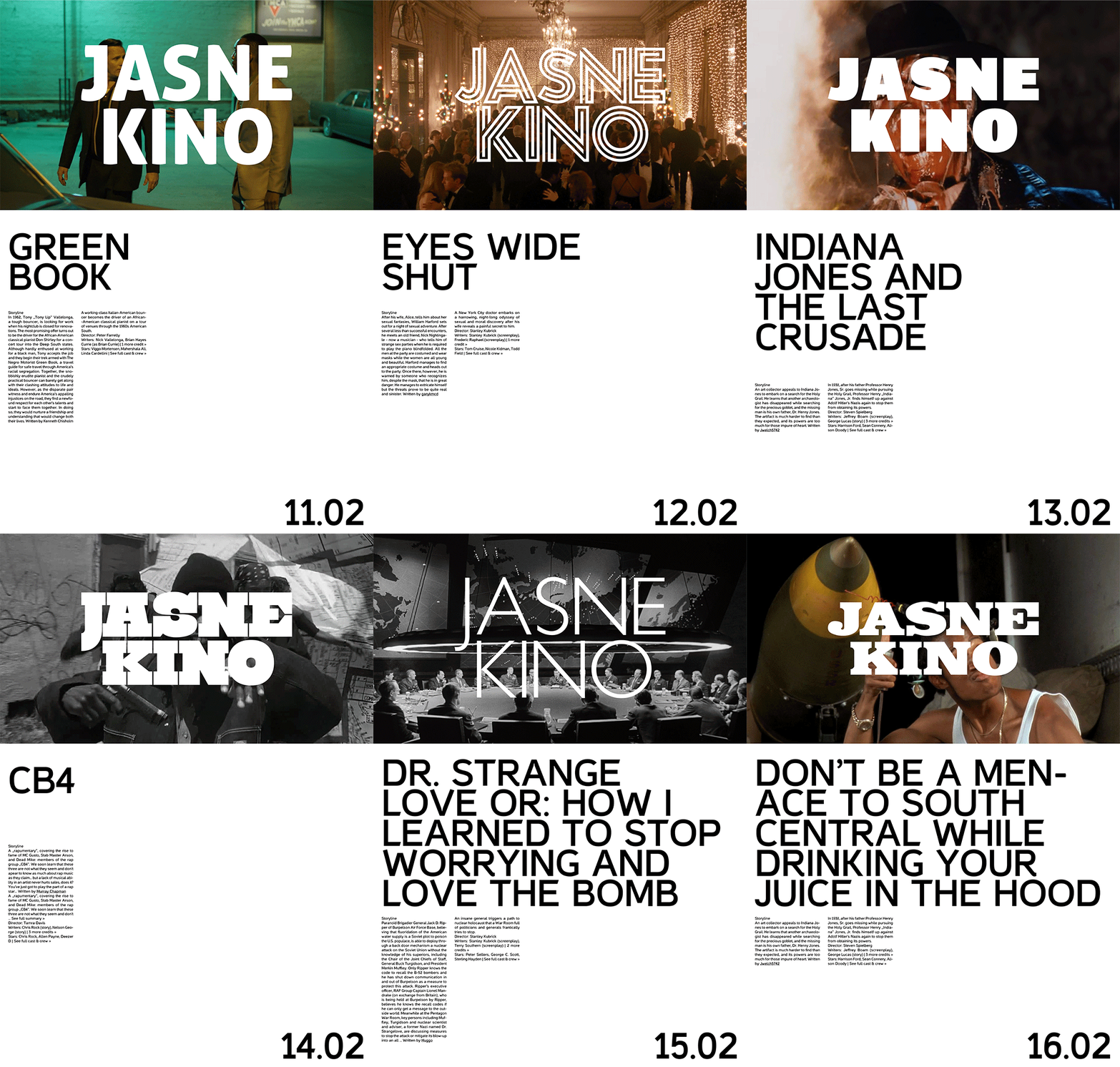
POSTER FOR JASNE KINO CINEMA
One of the posters for Jasne Kino Cinema. While designing the poster template, the main goal was to make sure that no matter how short or long the title of the movie is, it would fit into assigned space leaving space for the screening’s description.
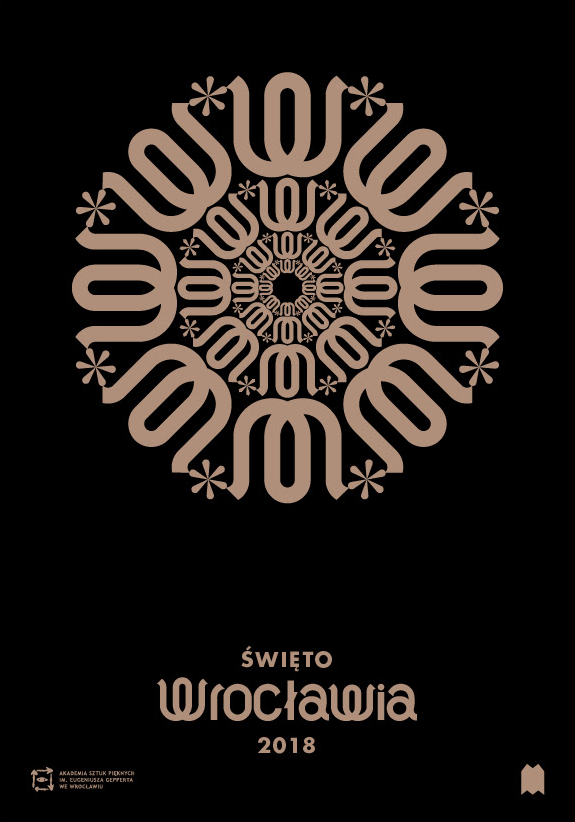
WROCLAW FESTIVAL POSTER
Every year the city of Wroclaw celebrates the Wroclaw Festival. Every year, students of the Academy of Fine Arts in Wroclaw participate in a competition to create a poster for this event. Custom-made typographic elements set in the form or fireworks or sparks of a cheerful greetings invite passerby to take part in the city’s celebrations.
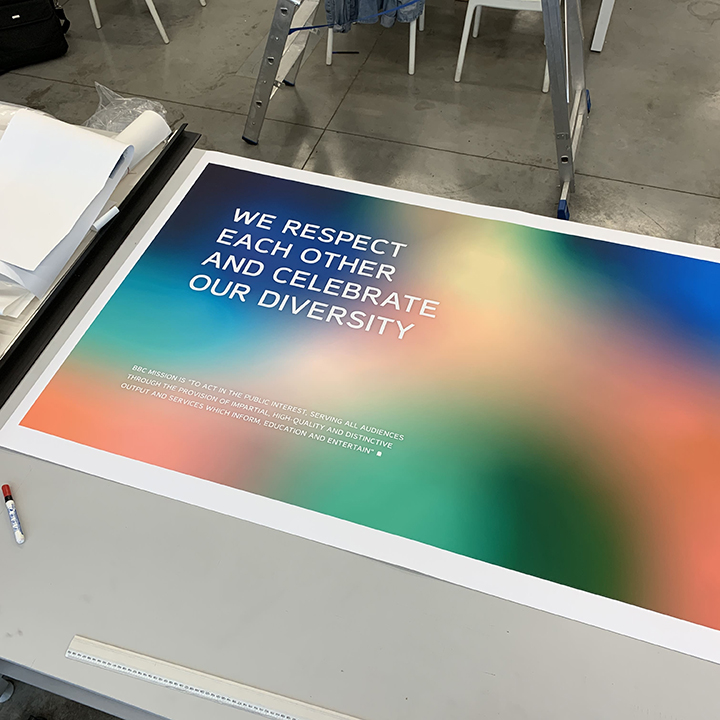
ANTI BILLBOARD
"We respect each other and celebrate our diversity" is an art project designed to clean up and cover advertising spaces with appeals to humanity. the poster features a quote about the values of the BBC.
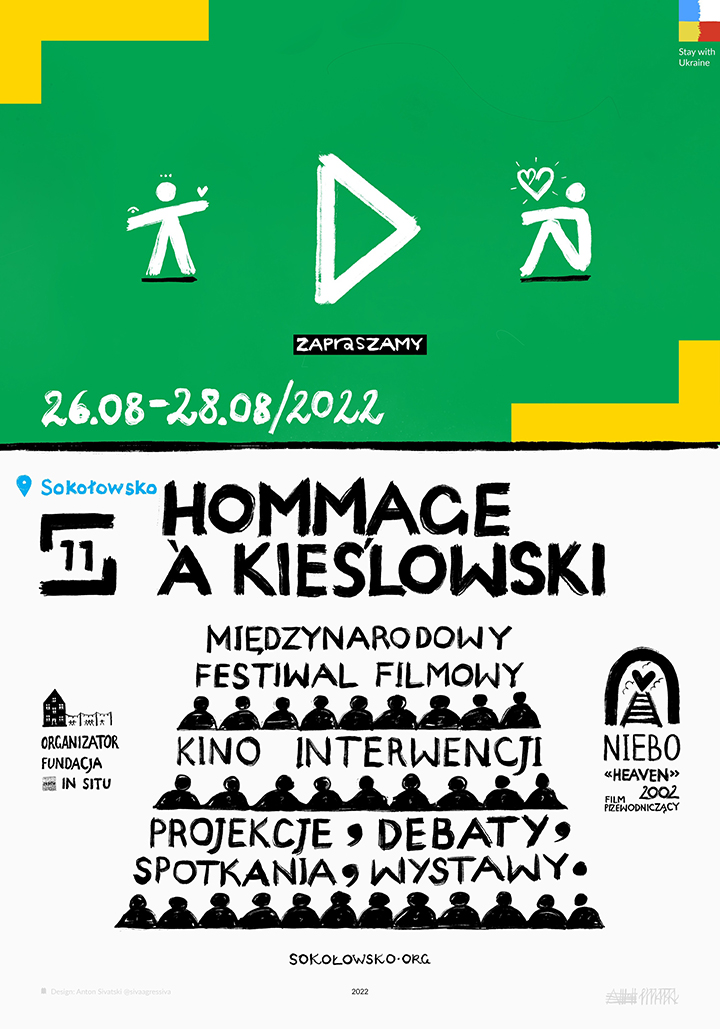
POSTER FOR INTERNATIONAL FILM FESTIVAL HOMMAGE À KIEŚLOWSKI
“Hommage À Kieslowski” is the yearly film festival dedicated to director Krzysztof Kieslowski with curated selection of European and Polish movies, that have already become a canonical part of the history of cinema.
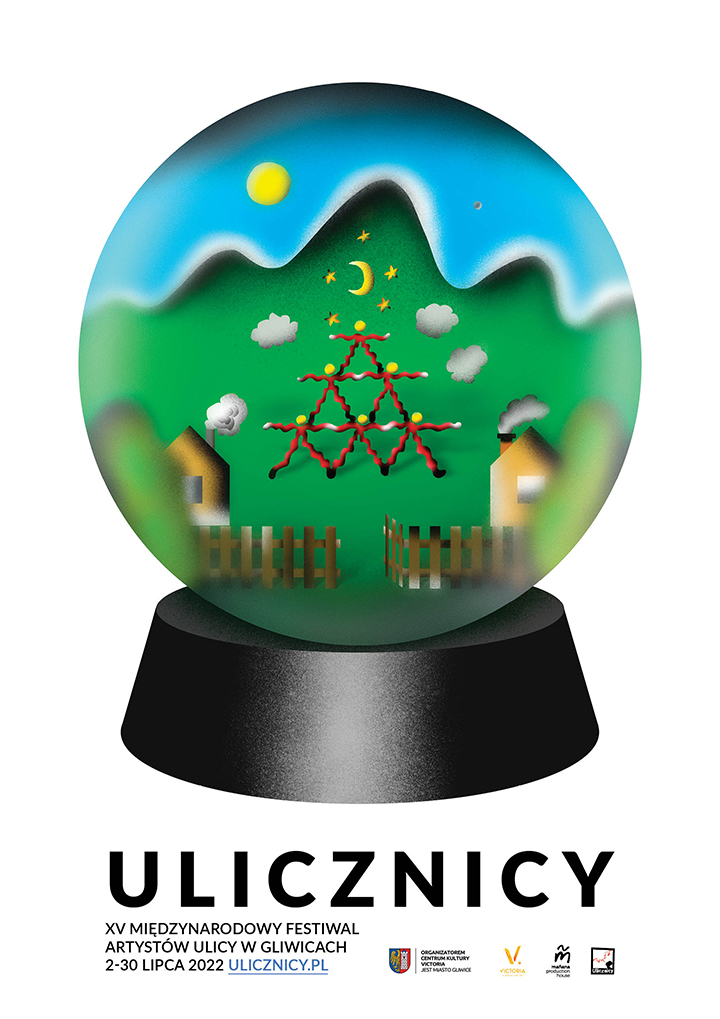
POSTERS FOR THE STREET FESTIVAL ULICZNICY 2022
“Ulicznicy” is an international street art festival happening in Gliwice, Poland. Every year, the organizers announce an open call for artists with a proposal to create a festival poster. This competition began in 2011 and continues to this day.
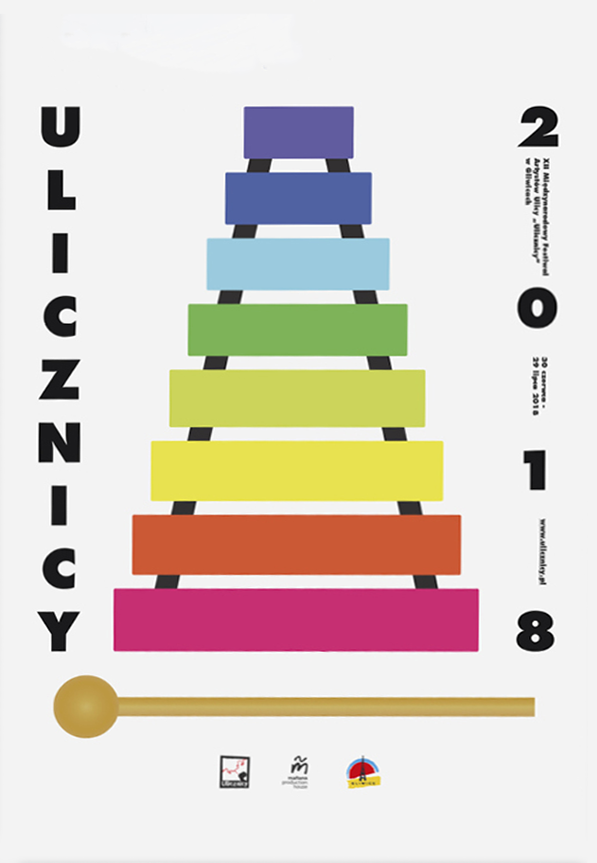
POSTERS FOR THE STREET FESTIVAL ULICZNICY 2018
“Ulicznicy” is an international street art festival happening in Gliwice, Poland. Every year, the organizers announce an open call for artists with a proposal to create a festival poster. This competition began in 2011 and continues to this day.
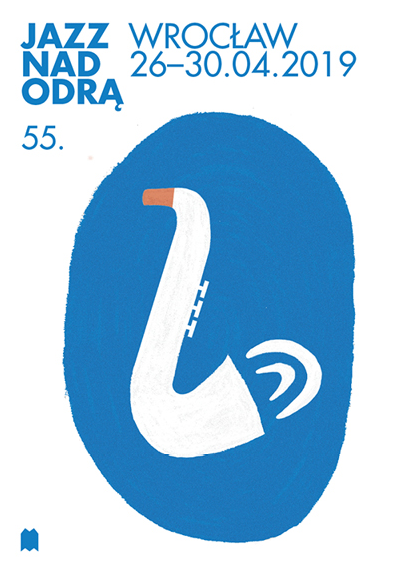
JAZZ NAD ODRĄ FESTIVAL POSTER
“Jazz Nad Odrą” is an annual festival of jazz music in Wroclaw. Every year the Academy of Fine Arts in Wroclaw announces a competition for students to design a visual identity for the festival. Poster received an honorary mention in the competition and exhibited on Wroclaw's market square.
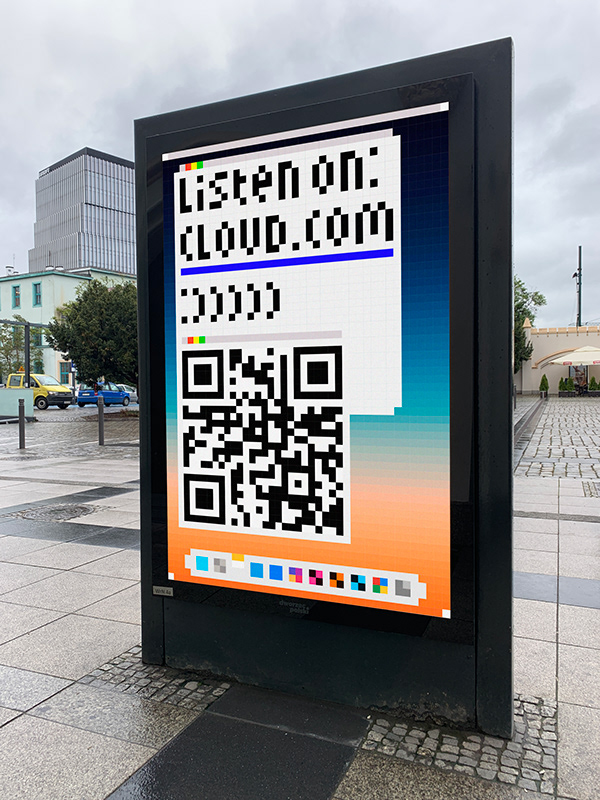
THE CLOUD POSTER
“The Cloud” is an AI musician band. This interactive poster shows the animation of the user interface with the band's basic details. The Cloud creates all the musical material itself.
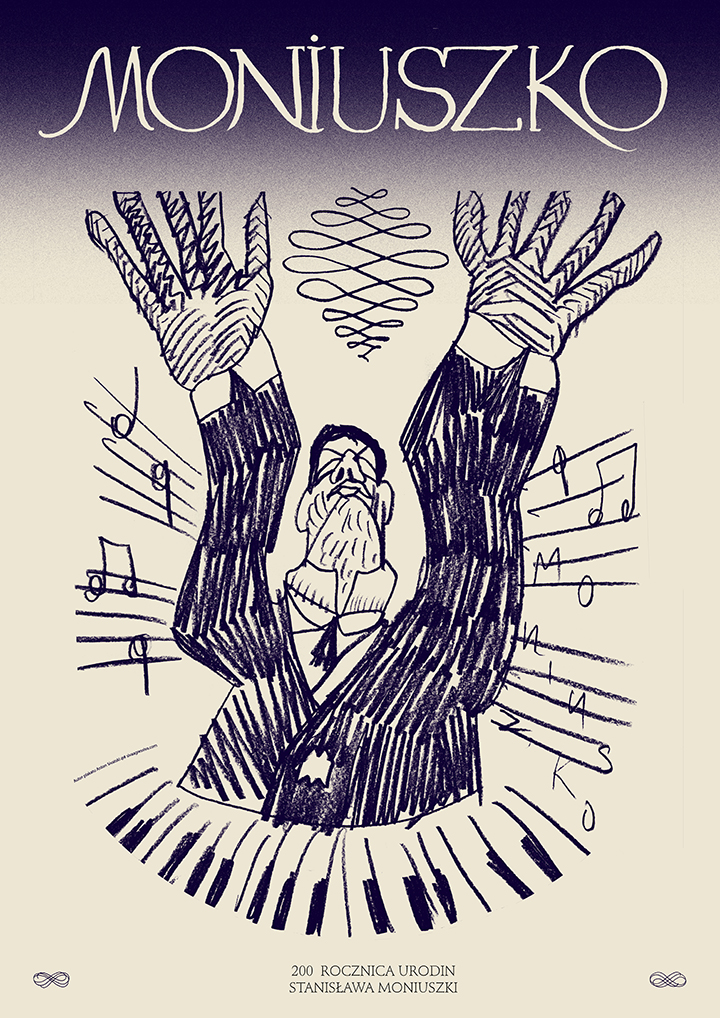
200 YEARS OF MONYUSHKO
Poster commemorating the bicentennial of Stanisław Moniuszko. Commissioned by the Wrocław Philharmonic.
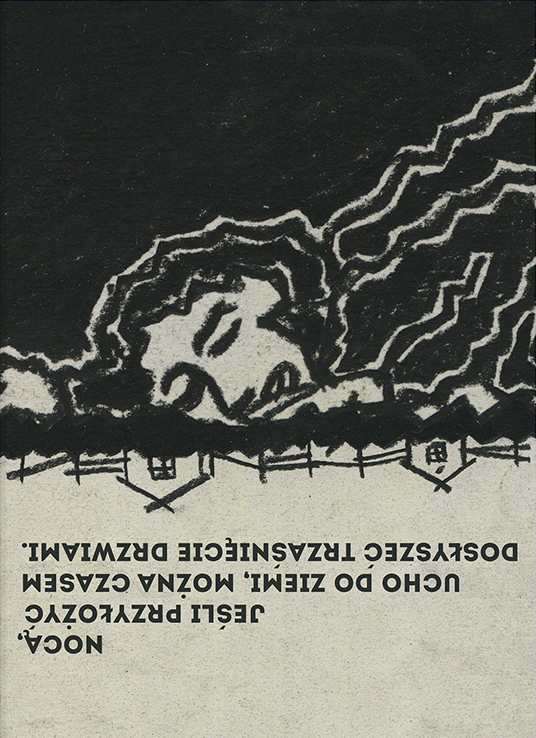
ITALO CALVINO — LE CITTÀ INVISIBILI – BOOK ILLUSTRATION
Poster-illustration based on the book Italo Calvino – Le Città Invisibili, which was created together with the illustrations I designed for the book.
I AM FROM...
...
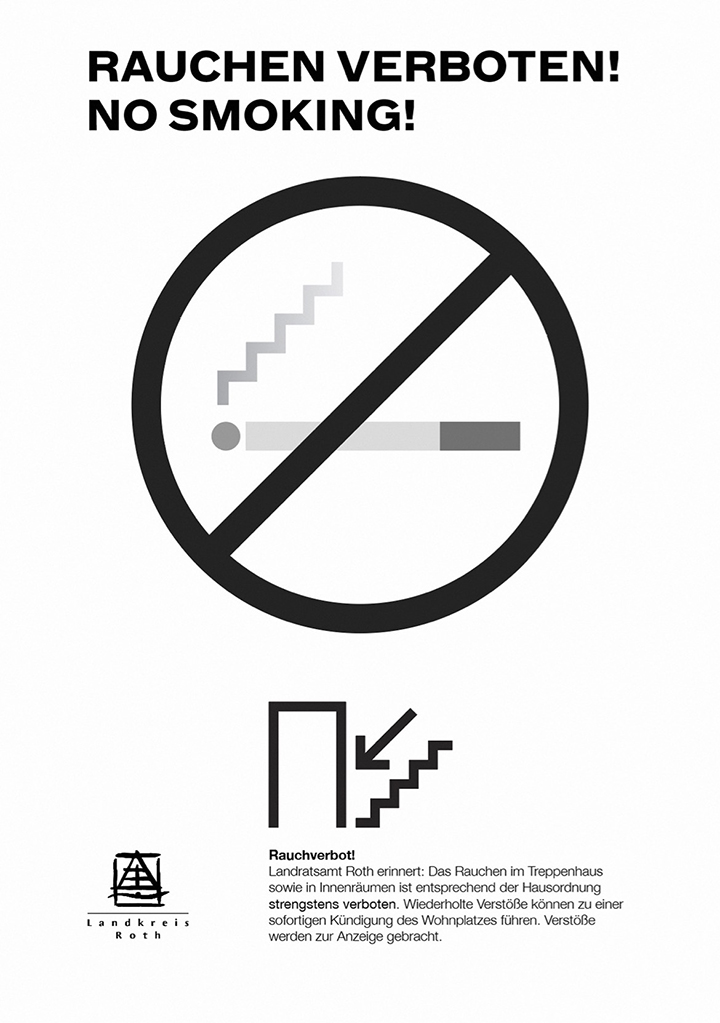
NO SMOKING
A4 poster - No smoking. Easy-to-print information poster. Made for decentralized residential buildings on behalf of the Roth District Office.
MORE SOON...
TYPOGRAPHY✦
Print & digital. Layout. Editorial etc.
Typography, bookbinding, calligraphy, publishing and more....
Big part of my practice and expertise is typography, it is one of the most important areas I’m interested in and connected to. Typefaces are independent design elements. Sometimes, typography doesn’t require additions and can perform the required function to solve the design problem on their own but also it is a necessary element that can elevate more complex compositions.
I've been studying lettering and typography for over 9 years. During this time I developed my theoretical and practical skills in these fields. On one hand I’ve learned how to work with letters – from using different kinds of nibs (used in calligraphy, logotypes, poster design etc.), through expressive writing techniques and the principles of type design to font development in software such as Glyphs and FontLab. On the other, I was mastering digital typesetting, font pairing and layout/grid design in Adobe InDesign. Additionally, apart from usual design education in school, I have participated in many independent workshops related to typography, calligraphy and type design.
Typography Calligraphy Font design Flexible fonts Layout and Grids Bookbinding Vector design Drawing Graphic design Cover design Illustration Lettering Publishing Editorial design Big formats
⇠ Scroll to see more ⇢
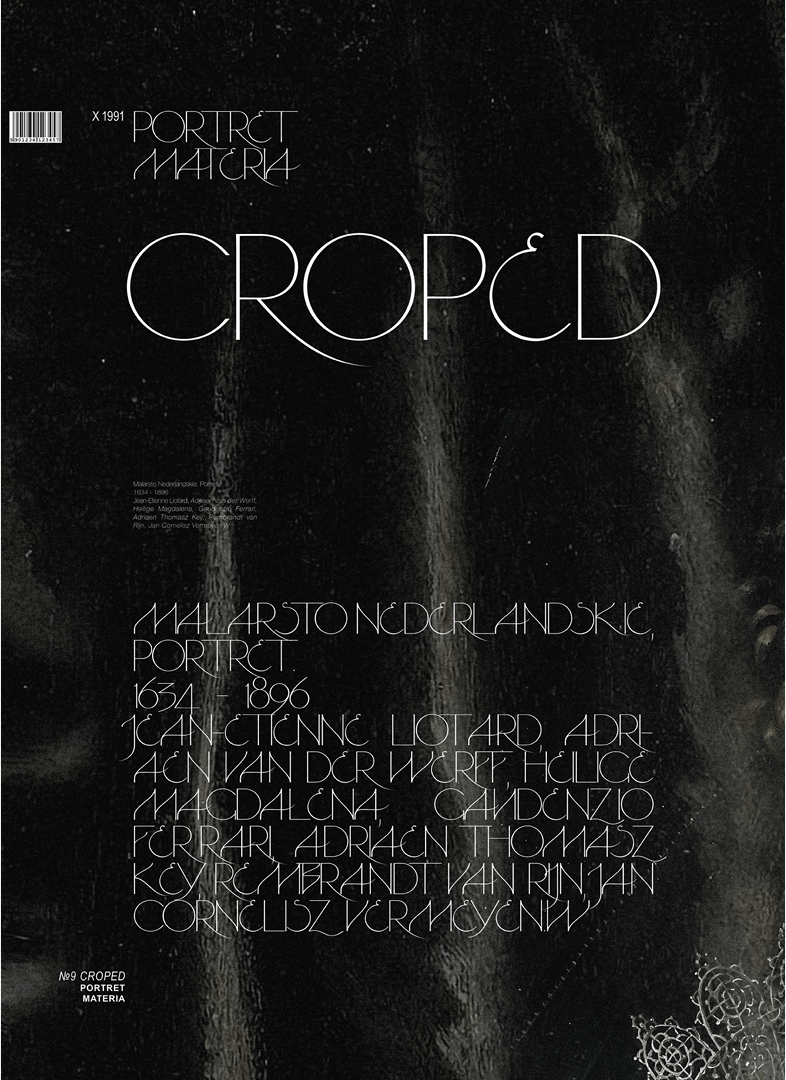
'CROPED' mag & Antiq Font ®
The magazine layout for restorationists. The project is a large format (B2) publication with large, hi-res images of artworks and their fragments. The magazine has been designed as a methodological material to teach the selected artist’s style in detail. Typeface design, layout design, work with HQ pics. You can buy this font.
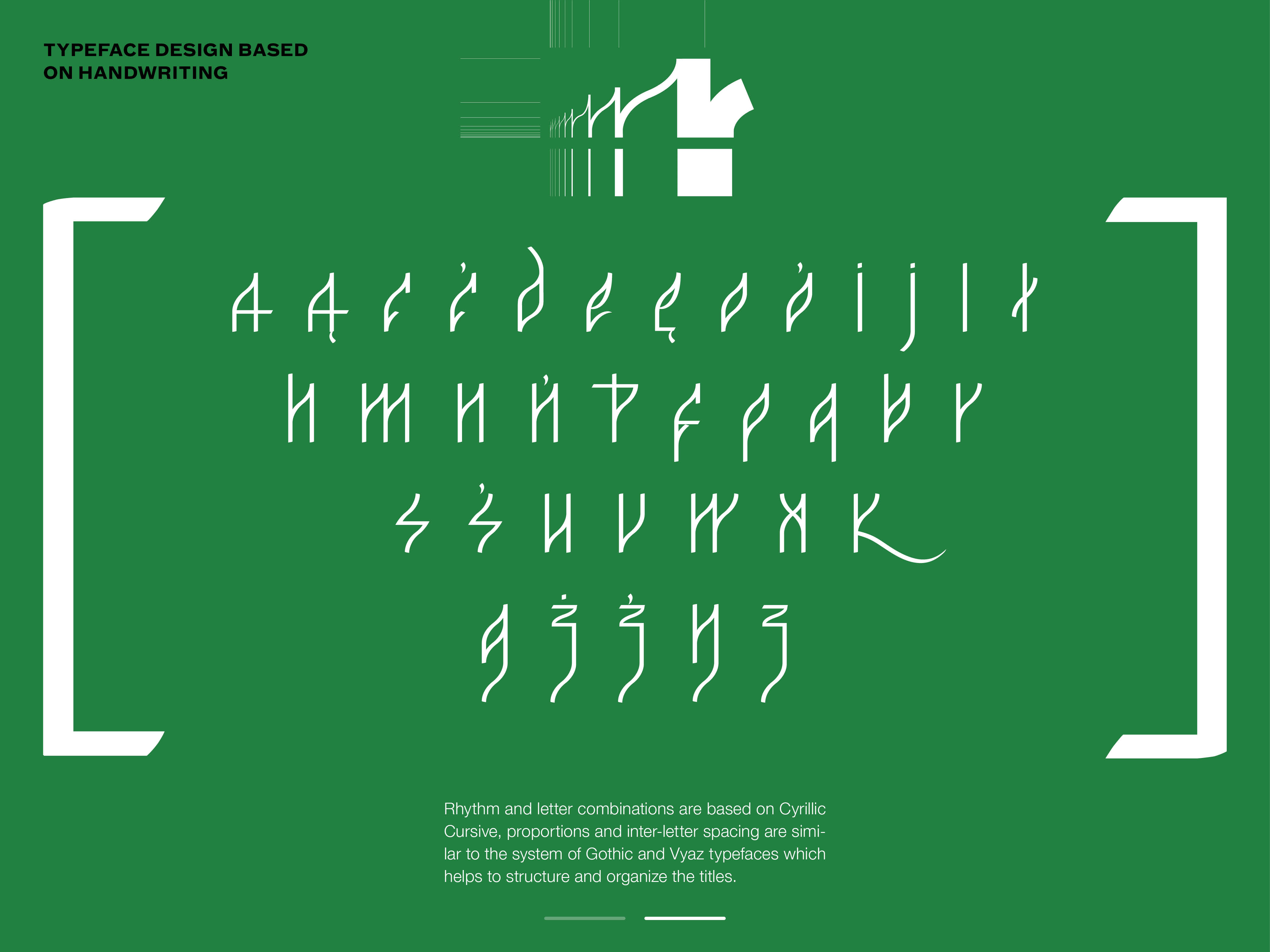
Grass Sans ®
Grass Sans – sans-serif, display typeface based on my handwriting with elements from the tradition of Slavic Glagolitic script Vyaz and High Gothic handwriting. You can buy this font.
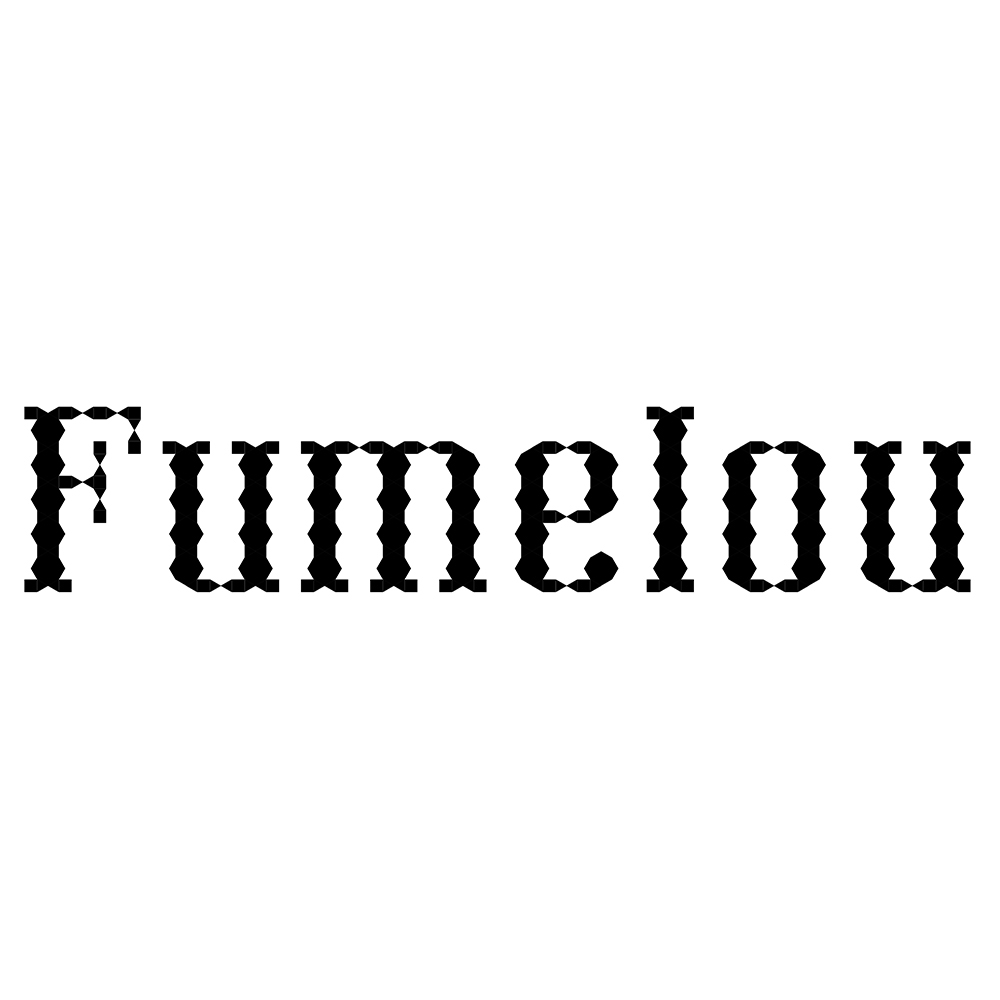
Fumelou Font ®
A decorative display font created based on the architectural grids of the designer after whom it is named.
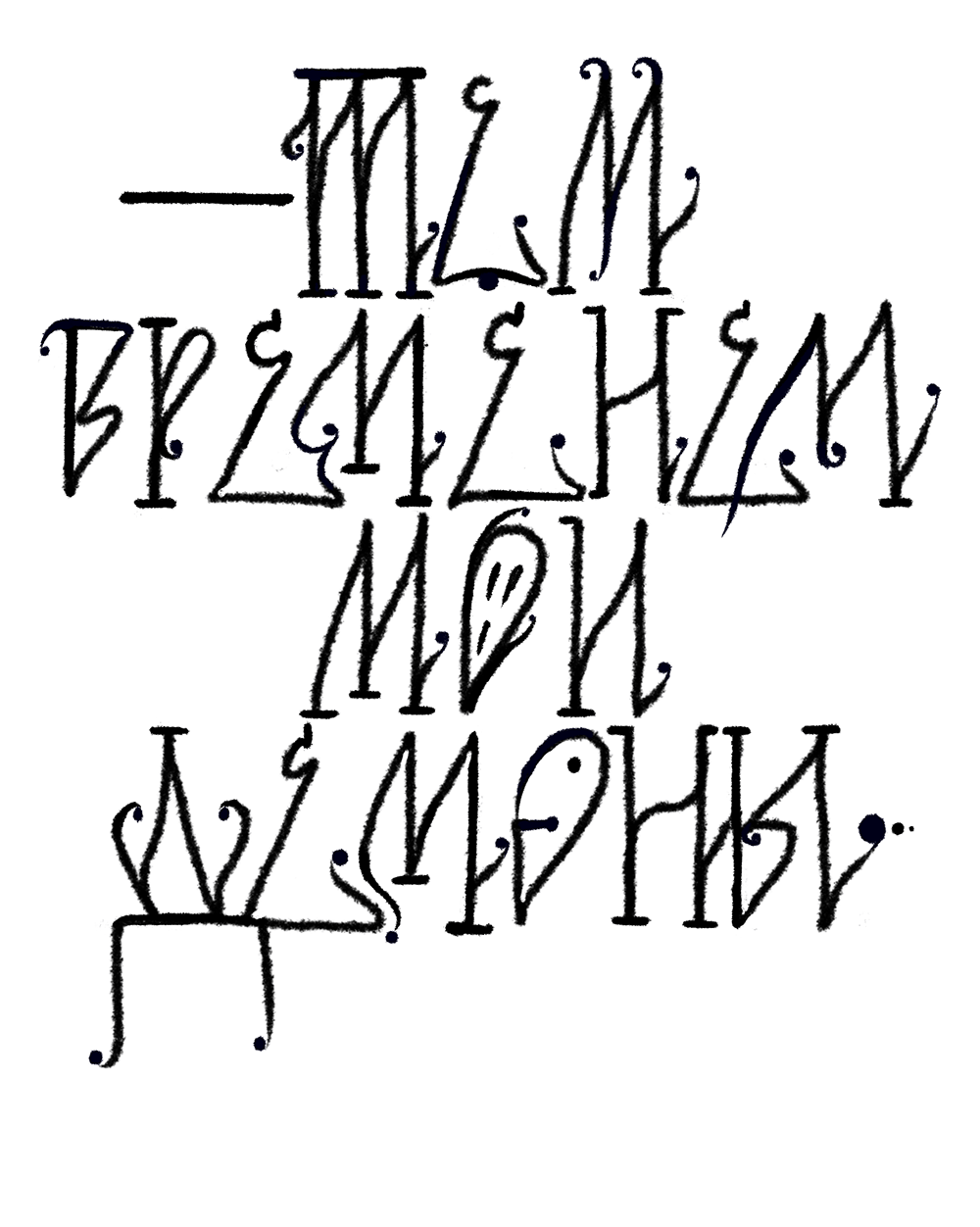
My handwriting...
An example of how I write slash illustrates fonts. So-called Lettering.
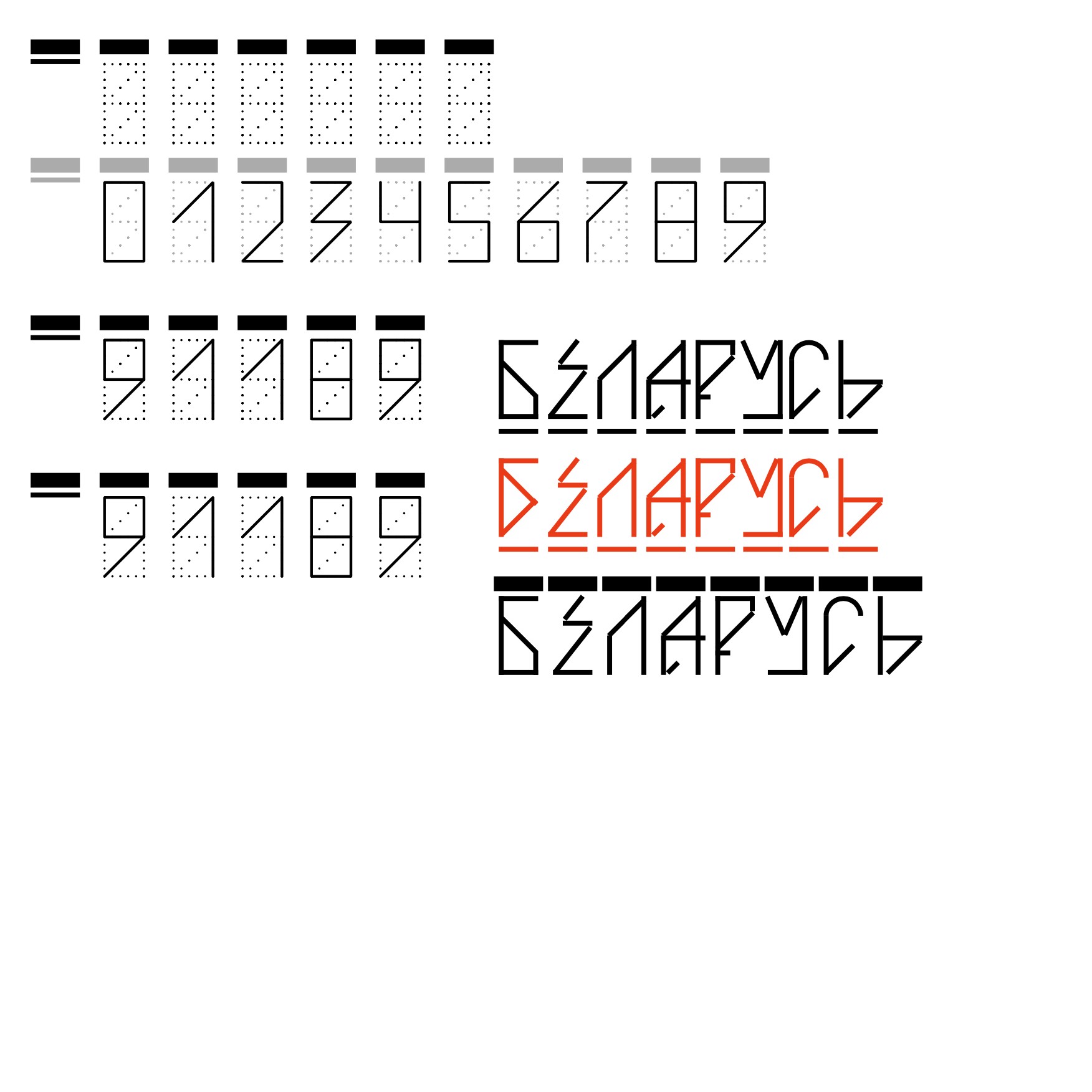
Belarusian Post Mono font ®
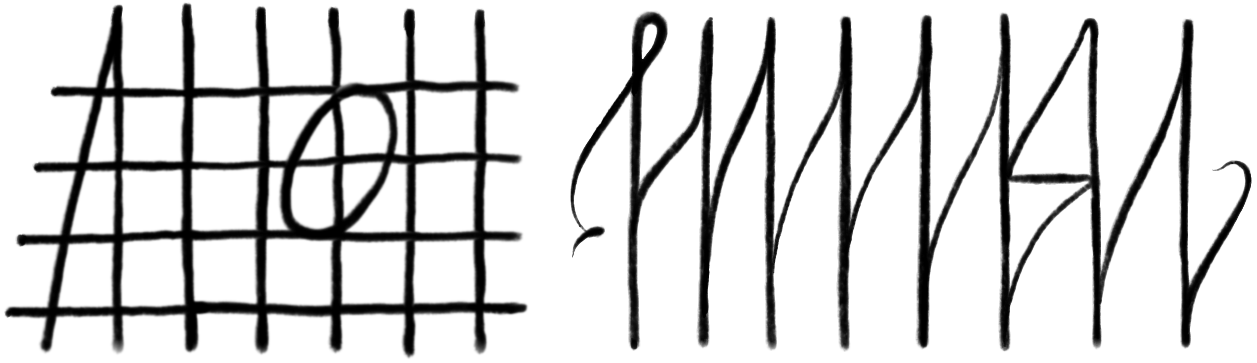
The font design is based on postal code numbers and the principle of the old digital grid.
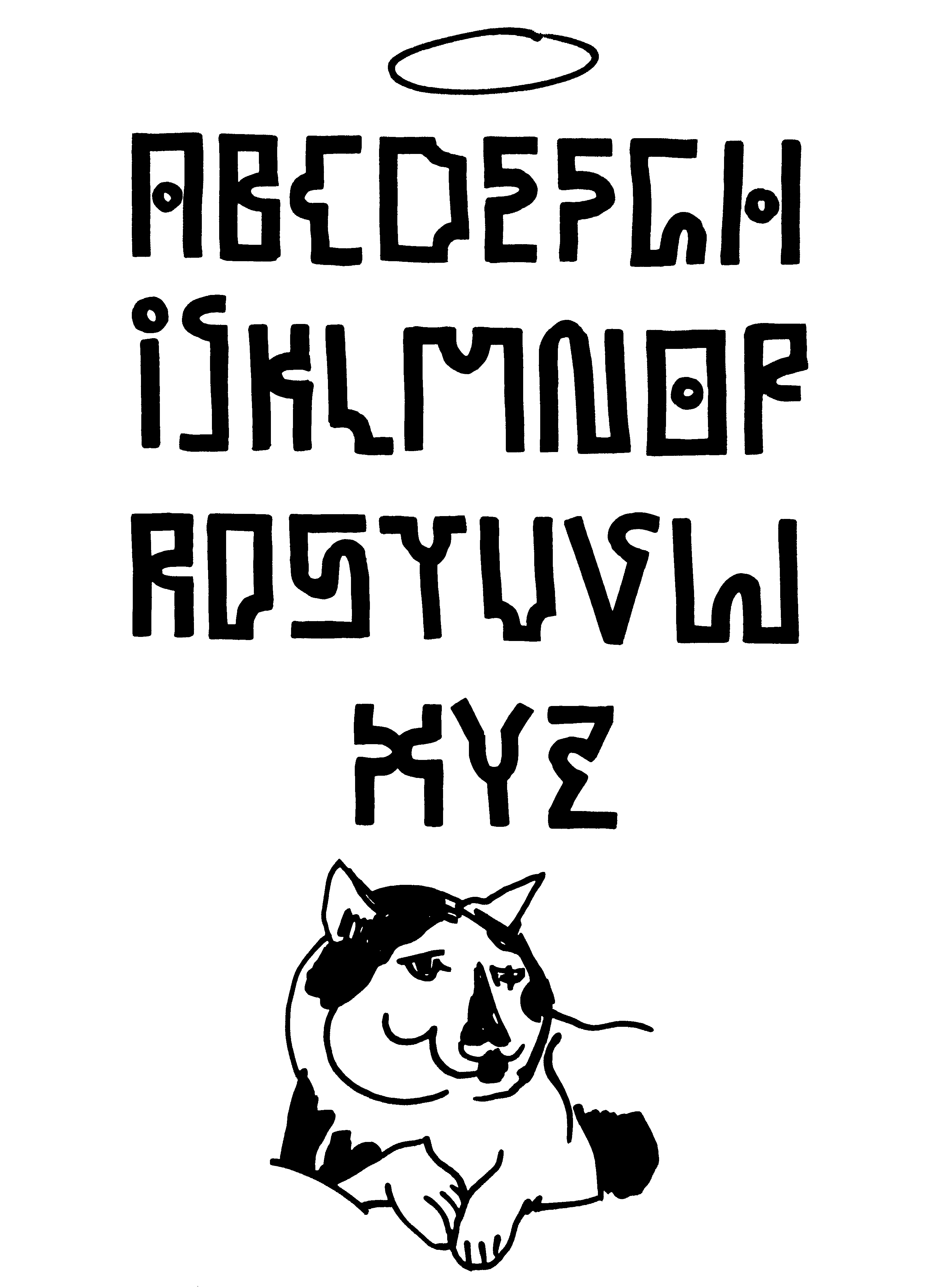
Cat Vandal ®
Font was made for street-artist project. For crew named "Slow Vandals".
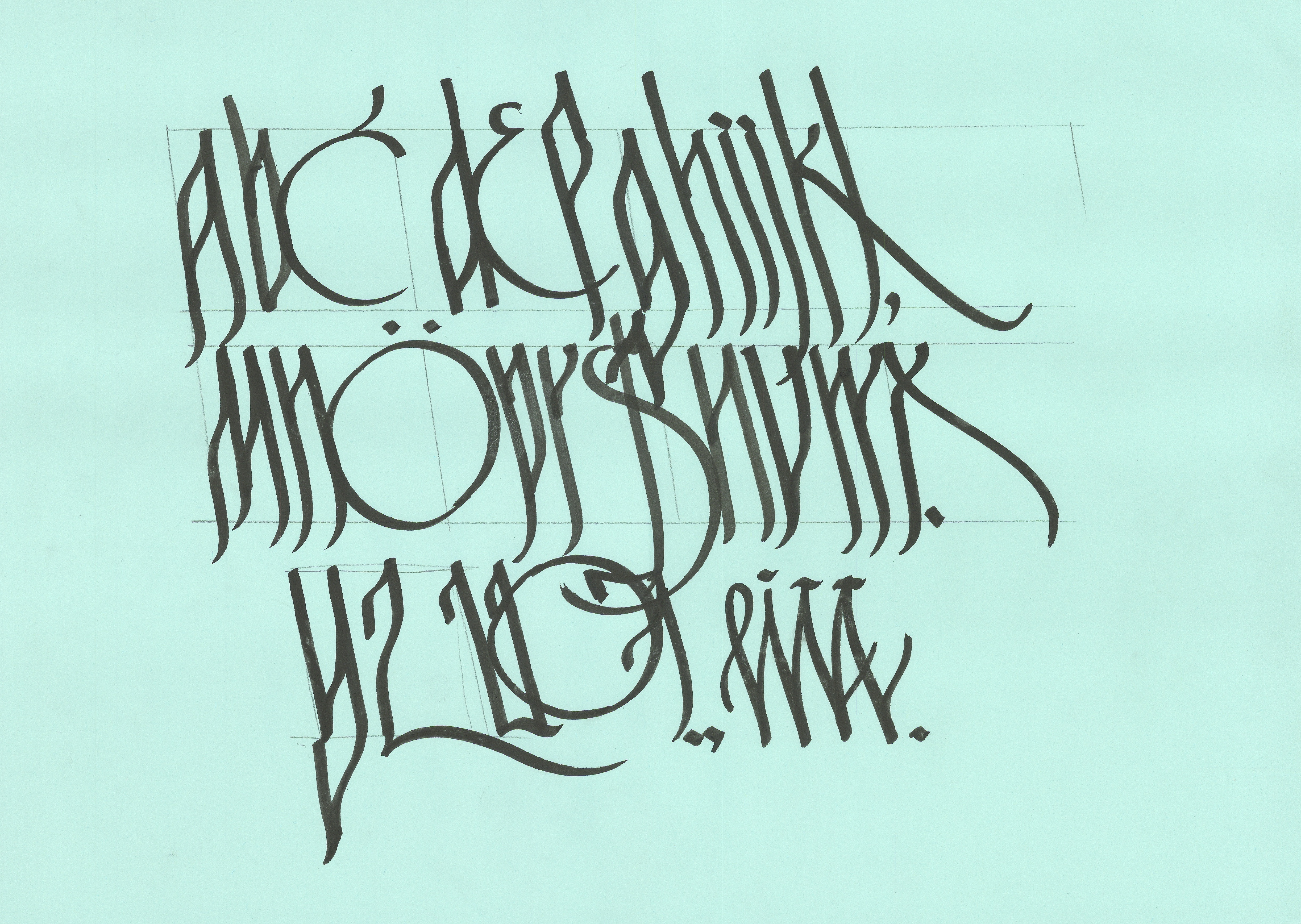
Pre Grass Sans
Font creation – as a result of the workshop: “Postmodernism and automatism in typography”.
— SO... IF YOUR DESIGN NEEDS A FRESH PERSPECTIVE — I’M HERE. IF YOU’RE ALREADY PUSHING BOUNDARIES, I’M GLAD TO LEARN FROM YOU. COLLABORATION WORKS BEST BOTH WAYS.